Quick take — why this matters now
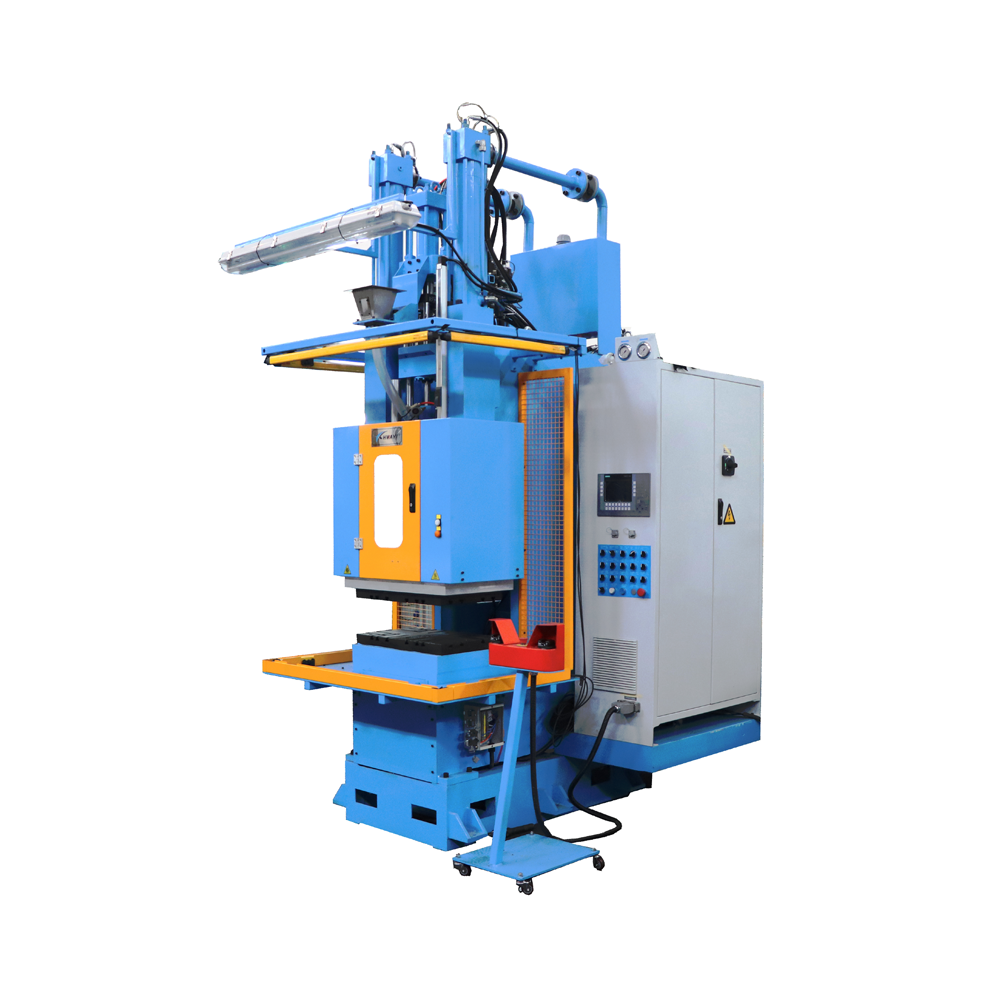
South African shops chasing lower bills and steadier parts are waking up to servo-driven tech. The shift from old-school hydraulic systems to a servo pump C-frame layout cuts idle draw and tightens control, and you can see straightforward examples when you check a vertical rubber injection molding machine spec sheet. These machines shorten cycle time and reduce wasted hydraulic pressure without messing with part quality — which is exactly what many plants around Gauteng were after when they refreshed their lines.
Energy footprint: measured differences
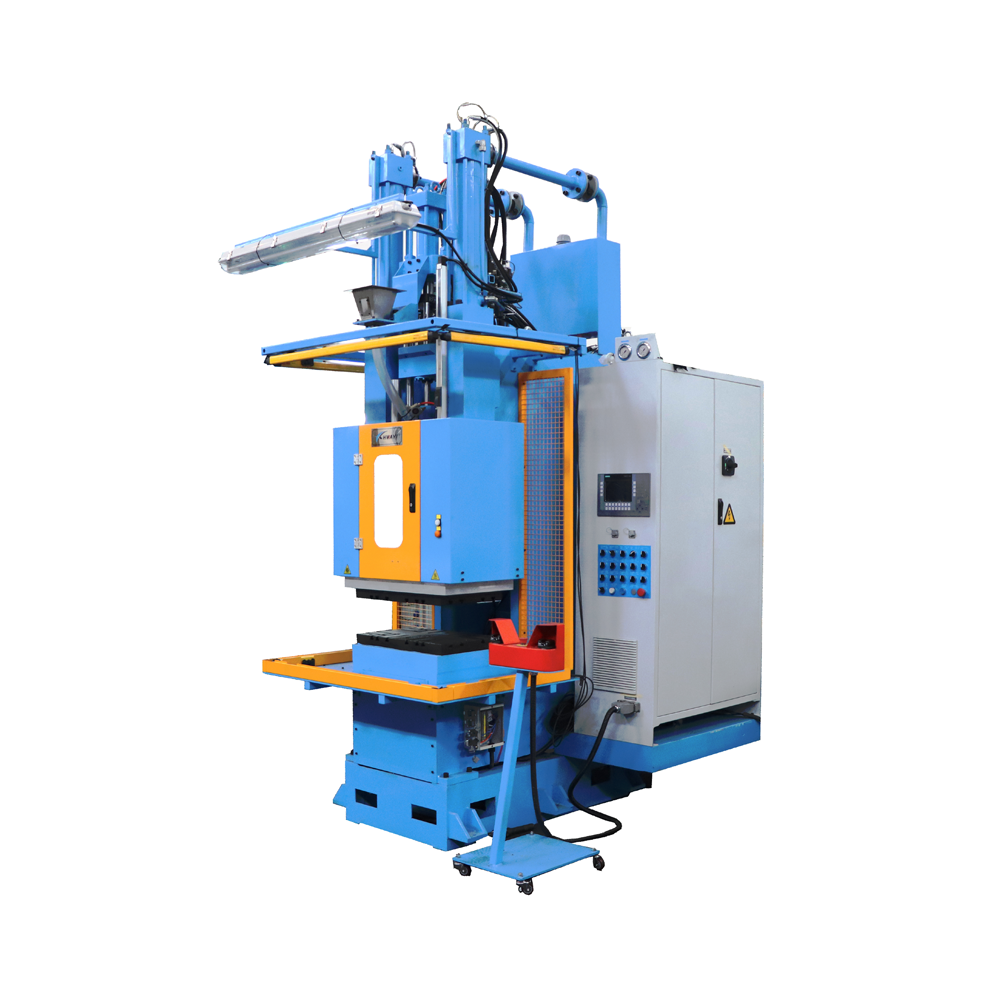
Compare measured power curves rather than promises. Servo pump drives reduce continuous motor run and let energy recovery systems return power during deceleration. The real metric here is average kilowatt-hour per cycle, not peak motor size. A C-frame with neat clamping force control will use less energy per shot than a traditional constant‑flow hydraulic press, especially when parts demand frequent small adjustments.
Performance and process control
Servo systems give tighter pressure profiles and repeatable injection ramps — good for tighter tolerances and fewer rejects. Traditional hydraulics win on brute force and lower upfront cost, but they struggle with rapid profile changes and fine pressure hold. If your mould needs precision sweeps or short dwell times, that servo pump control makes consistent surface finish and dimensional repeatability a regular thing rather than a lucky run.

Operational cost vs capital cost
Upfront price for a servo‑pump C‑frame is higher than old hydraulics, sure. But factor in lower energy cost, reduced maintenance on pumps and valves, and fewer scrap parts and you often get break-even inside a few years. Consider lifecycle cost per million shots. Also check service networks — local support matters. For instance, several manufacturers in South Africa have teams experienced with retrofit work, and those relationships cut downtime when you upgrade.
Alternatives and common mistakes
People sometimes pick based on spec sheets alone — big mistake. Layout, mould access, and whether the job benefits from a C-frame (better visibility, faster mould changes) matter. Don’t overlook operator training; servo systems change diagnostics and maintenance tasks. Another slip-up is chasing the cheapest machine and then retrofitting inefficient ancillaries — that kills the savings. If you prefer a different route, hybrid systems or improved hydraulic controls can be viable interim steps.
Supplier considerations and real-world anchor
Choose a maker with proven installations and spare parts locally available. Many vertical moulding machine manufacturers have case studies showing energy and cycle improvements — look for those with service teams near major production hubs like Johannesburg. A Gauteng tyre plant that switched to servo-driven C-frame presses reported smoother runs and lower maintenance calls — not glamorous, but it’s the kind of operational proof you want when comparing vendors.
Practical tradeoffs
Servo pump systems improve precision and reduce operating kilowatts. Traditional machines are cheaper upfront and familiar. Think through mould size, required clamping force, and expected throughput before deciding. Also, plan for staff upskilling — diagnostics and PLC tuning become part of daily checks. These are concrete steps that affect ROI more than flashy spec numbers.
Three golden rules for choosing the right path
1) Measure baseline energy and scrap rates first — pick machines that lower kWh per cycle and reject percentage. 2) Verify local parts and service availability — downtime costs more than any sticker price. 3) Match machine architecture to the job: C-frame for fast-change, high-visibility jobs; platen-style for ultra-high clamping force needs. These rules narrow choices quickly and keep procurement sensible.
All told, the intelligent servo‑pump C‑frame often wins where precision, reuse of power, and operator access matter — but only when paired with sensible procurement and local support. HWAYI sits squarely in that conversation as a practical supplier with the kind of machines that deliver those day-to-day wins. —