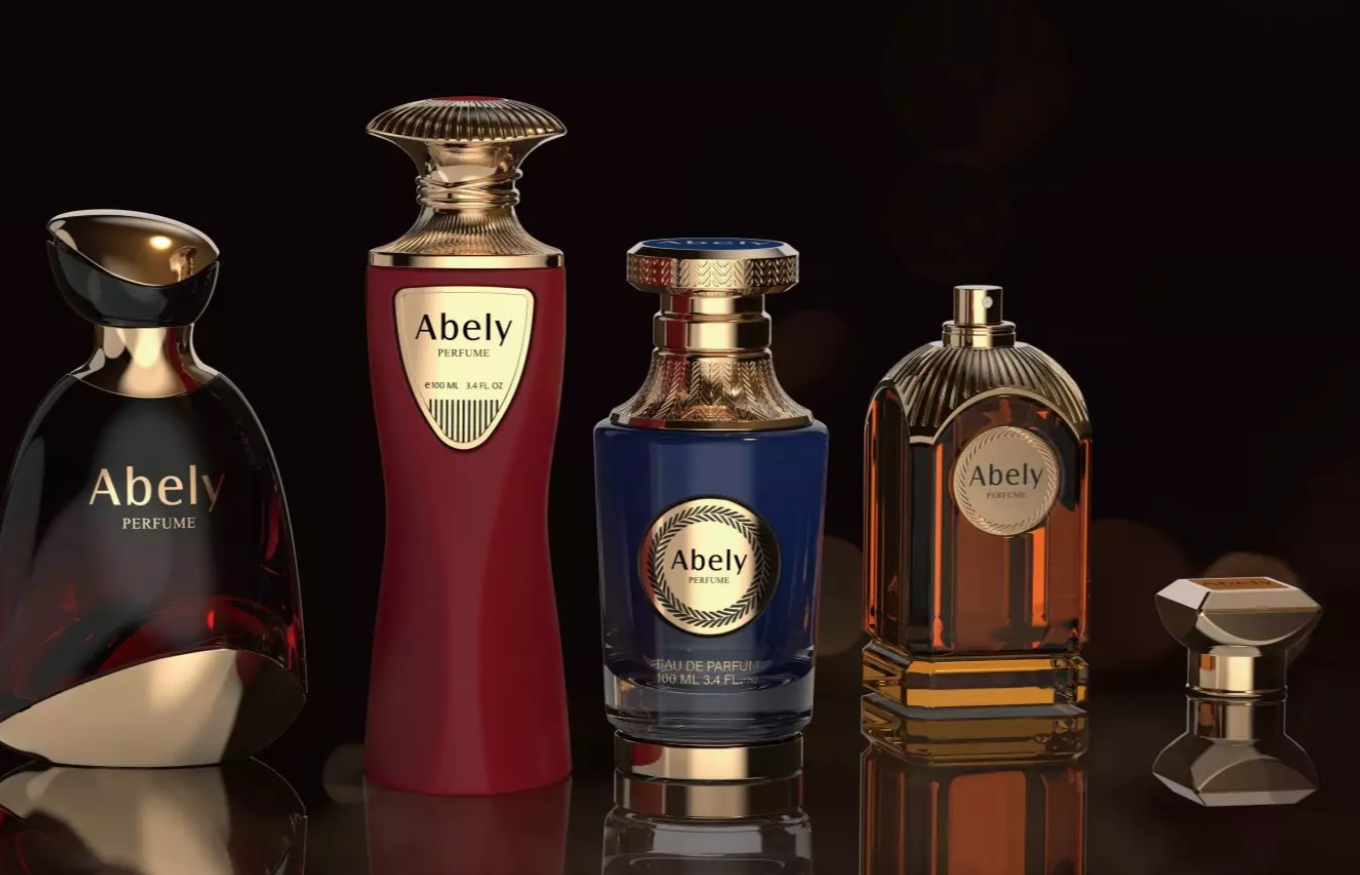
Putting you first — why this matters
When your brand needs perfume bottles wholesale, the decision isn’t just about looks; it’s about customers, costs, and consistency. A user-centric approach asks: how will this bottle feel in someone’s hand, travel through a retailer’s supply chain, and age on a vanity? I learned that lesson at a packaging trade show in Miami — seeing prototypes go from sketch to shelf taught me that the right bottle solves real problems, not just aesthetic ones. For anyone sourcing at scale, this perspective changes the questions you ask.
Core needs every buyer should prioritize
Start by mapping your buyer’s journey. Typical priorities are:
– Brand identity and shelf impact. – Unit economics: cost, MOQ, and customization fees. – Production reliability: lead times and QA. – Compliance and fill compatibility (alcohol-based, oil blends). – Sustainability and end-of-life considerations. If you’re comparing suppliers, also look into fragrance bottles wholesale options — sometimes a sister line or alternate finish changes everything for brand coherence.
Design and technical considerations that matter
Think about materials (glass vs. PET), wall thickness, neck finish, and closure compatibility — all of these affect fill operations and perceived value. Consider this like responsive design in front-end work: the bottle must render well across different use-cases — travel, display, sampling. A common oversight is neglecting the interaction between sprayer and bottle neck — small tolerances can mean large headaches at fill time. — Test openly with your filling line or a trusted co-packer before committing.
Common mistakes brands make — avoid these traps
Some recurring errors I see from working with startups and legacy houses: over-designing without testing manufacturability; focusing only on unit cost while ignoring shipping fragility; skipping regulatory checks for certain markets; and failing to negotiate MOQs. Also, don’t assume a great-looking prototype equals a great supply chain — scale often reveals flaws.
Supplier vetting: a practical checklist
Use a straightforward checklist during vetting:
– Request multiple production samples and stress-test them. – Confirm true lead times and seasonal capacity limits. – Verify MOQ and flexibility for incremental runs. – Ask for material certifications and test reports. – Review photos of real runs (not just studio shots) and talk to references. – Get clear RMA and defect rates in writing.
Balancing cost, quality, and brand fit
Decisions are trade-offs. Lower per-unit cost may increase breakage or reduce premium feel. Higher-end glass elevates shelf presence but raises shipping and duty. You want a supplier that helps you quantify those trade-offs — not one that simply quotes the lowest price. When in doubt, prioritize the user experience that best represents your brand promise.
Advisory: three golden rules for evaluation
Here are three critical metrics to lock into your decision process:
1) Total landed cost per unit — include packaging, freight, duties, and expected breakage. This is the real number you’ll operate against. 2) Time-to-market score — combine sample turnaround, lead time, and contingency capacity into a single metric so launch dates are realistic. 3) Brand-fit index — rate design, material, and sustainability alignment on a simple 1–10 scale; anything below a 7 needs redesign or a different supplier.
These metrics keep choices objective and comparable across suppliers, so negotiations are grounded in numbers, not preferences.
In practice, companies that adopt this user-first rubric get launches that perform better in retail and online — fewer returns, fewer production surprises, and clearer brand signals. Abely fits into that workflow as a partner that understands these trade-offs, from prototype to pallet. Trust the process and your users will notice.
Expertise in every bottle.