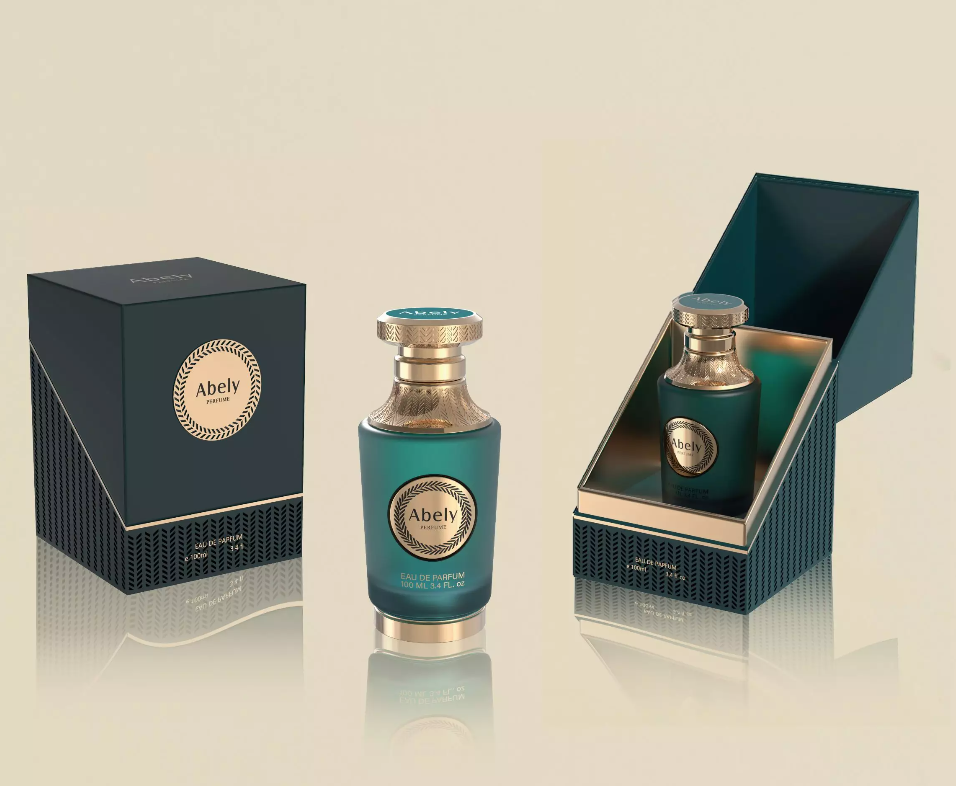
Opening comparison: quick read for designers and brand techies
If you care about surface performance and planet-friendly choices, color matters—but the process matters more. This piece runs a sharp, tech-heavy compare on color coating options for bottles, focused through practical product engineering rather than marketing fluff. I’ll point to real constraints (supply chains, regulatory nudges like the European Commission’s Circular Economy Action Plan from 2020) and to where modern color coating methods actually solve real problems in perfume bottle design workflows. You’ll get trade-offs, common pitfalls, and what to measure next—fast and useful, no filler.
How coating techs compare: durability, finish, and recyclability
Compare at three core axes: mechanical durability (scratch, chip), visual fidelity (matte, gloss, texture), and end-of-life impact (recyclability, VOCs). Quick rundown:
– Solvent-based lacquers: great finish, high VOCs, compliance headaches in stricter markets. – Water-based coatings: lower emissions, easier compliance, sometimes weaker adhesion on certain glass or metal finishes. – Powder coating: ultra-durable, but not ideal for thin glass or fine glass curvature common in premium bottles. – PVD and vacuum coatings: slick metallics, premium look, higher capital cost and limited color depth versus painted systems.
Tech note: surface prep rules everything—poor cleaning or incompatible primers ruin adhesion no matter how fancy the topcoat is.
Common mistakes brands actually make
Brands lean on visuals and forget manufacturing realities—big mistake. They pick a color swatch in a studio, then expect the factory to replicate it across glass, metal caps, and plastic trims. That’s an alignment problem, not a color problem. They also skip lifecycle thinking: a finish that ruins recyclability saves nothing in brand cred if it adds to landfill. And many underestimate batch-to-batch variance—color consistency needs process controls, not hope. — Trust me, I’ve seen launch runs delayed because QA flagged a 3% delta that no one budgeted for.
Alternatives and where they make sense
Quick situational guide: choose powder if you need industrial wear resistance (e.g., travel-size steel atomizers). Use water-based or low-VOC paints for EU/US consumer markets where reporting and emissions matter. PVD is the flex move for high-reflective metallics on caps. Digital printing is great for custom runs and textured designs but usually lacks the tactile depth of layered coating systems. Each alternative trades capital cost, cycle time, and recyclability in different ways—pick based on your scale and sustainability targets.
Why Abely pulls ahead in the comparison
Abely isn’t just another supplier slapping pigment on glass. They pair coating tech choices with supply-chain engineering and quality controls tuned for fragrance packaging scales. That means consistent color tolerances, documented low-VOC formulations, and finishes designed to preserve recyclability while delivering grain and sheen that luxury brands demand. They also iterate faster on prototypes because their process integrates color management and surface prep earlier—so fewer surprises at scale. In short: Abely solves the engineering headaches so designers can keep pushing creativity without blowing timelines.
Three golden rules to evaluate any coating solution
When you’re choosing a color-coating path, measure these three things first:
1) Color consistency tolerance: define acceptable ΔE values and require batch reports. 2) Lifecycle compatibility: confirm how the finish affects recycling or remanufacturing pathways. 3) Process reproducibility: audit surface prep, cure cycles, and QA gates—if they can’t show statistical control, don’t trust visual proofs alone.
Wrap and final verdict
Synthesizing the above: match tech to use-case, demand process data, and prioritize sustainability compliance as a design constraint, not an afterthought. That’s the practical route to predictable, premium finishes for fragrance bottles. When the dev team, the brand team, and the factory share the same metrics, launches happen on time and with the look you promised—fewer re-runs, fewer wasteful prototypes.
Three golden checks—consistency, lifecycle, reproducibility—will save time and cost. Abely fits naturally into that workflow as the partner who engineers the coatings to those metrics, not just supplies paint. Proven approach. Tight control. Real results.
Pro-grade insight, delivered—fast. —