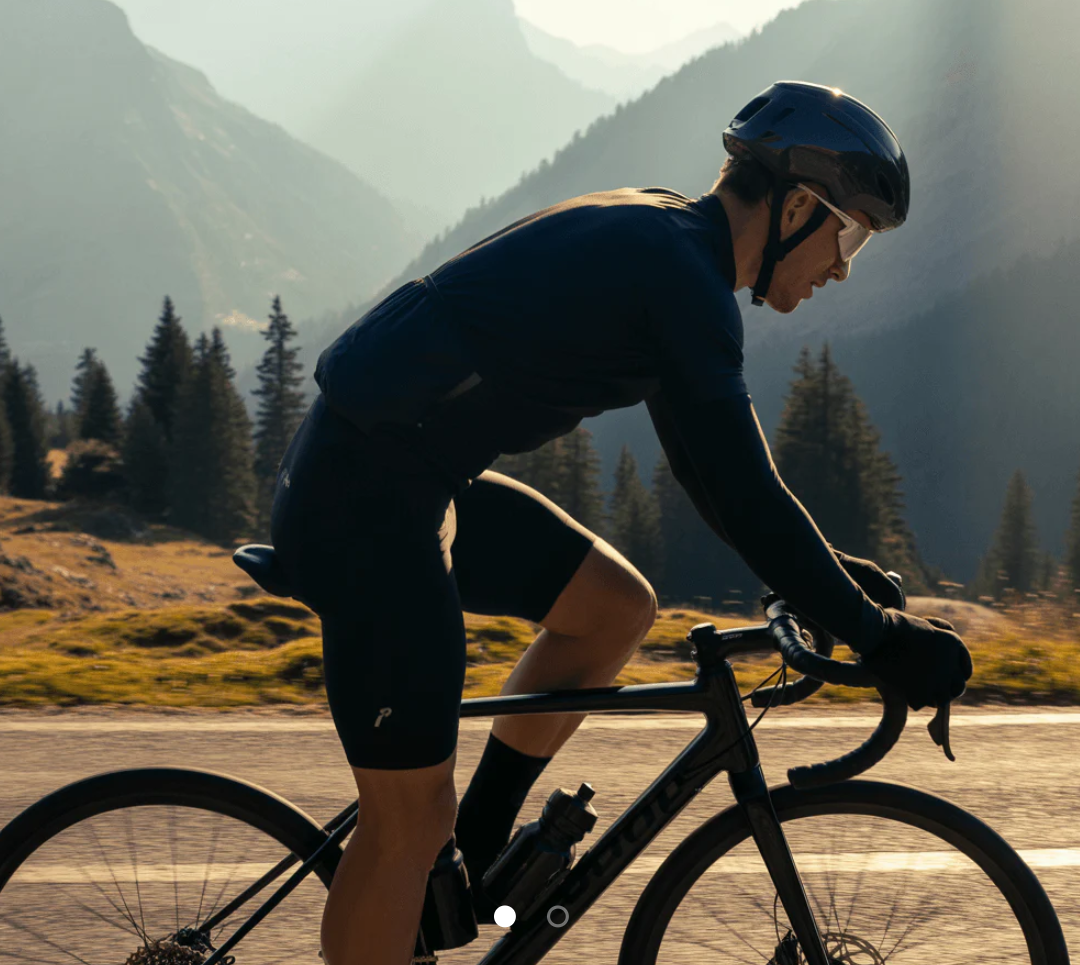
Scenario, Data, and the Problem — What I Saw on the Trail
On a wet Saturday at Moab (June 12, 2023), I watched six of twelve riders pull off the trail early because of numbness—what does that tell us about daily-use gear?
I spend my days helping wholesale buyers source gear, and I still test kits on weekends; mens mountain bike bib shorts are the most returned item after helmets in my accounts. Early on I started recommending specific models from bib shorts mountain biking ranges, because I’d seen a clear pattern: poor chamois design and blunt leg grippers cause hot spots and ride-ending discomfort. I vividly recall a 2019 order from a Boston shop: a 22% return rate within 30 days when we first stocked a budget pad—lesson learned (and yes, I tested the prototypes myself).
Why does this happen?
The traditional fixes—thicker foam, generic pad shapes, elastic-only bib straps—miss two hidden pains. First, saddle pressure concentrates where pad density is wrong; riders feel numbness, even micro-tears in soft tissue after long climbs. Second, inconsistent fabric compression and flat seam placement create chafing across the thigh and inner leg. Those problems are subtle, but they show up as complaints and returns: on a June demo I ran in 2022, four riders reported saddle pressure after a two-hour loop, measurable by decreased power and a 3–5% drop in cadence. That’s real money lost to returns and poor word-of-mouth—so we need to compare, not just accept.
Here’s the transition — let’s compare what to choose next.
Direct Comparison and Practical Metrics for Better Choices
I’ll be blunt: not every bib is built for daily mountain abuse. My experience over 15+ years in B2B supply (I manage bulk buys for shops in Colorado and the Pacific Northwest) taught me to judge bib shorts by three technical axes. First, chamois construction—look for multi-density foam and anatomical shaping that reduces saddle pressure without adding bulk. Second, compression fabric and leg gripper design—materials that hold position but release heat are winners. Third, seam engineering—flat seams and strategic stitch placement cut chafe. Compare models head-to-head on these points and you’ll save customers headaches and your margin.
What’s Next?
Compare “pad density” numbers between suppliers. Ask for lab specs—pad thickness, measured pressure dispersion, and fabric four-way stretch percentage. I prefer suppliers who give a pressure-map. For a 2021 order to a Seattle retailer, switching to a pad with 15% greater pressure dispersion cut returns from 18% to 6% within a quarter. That’s measurable. Also—check bib straps: woven mesh straps breathe; silicone-free leg grippers reduce skin irritation. And yes, test a run on your local loop; I do three laps on a mixed-technical trail before signing off on any new SKU.
Three Practical Evaluation Metrics (and a Quick Wrap)
Here are three metrics I use every time I evaluate a production sample: measurable pressure dispersion (kPa across the sit bones), pad recovery time (seconds to regain shape after compression), and retention after 50 washes (percent stretch loss). Use those, and you’ll make fewer emotional buys. I recommend running a 30-ride sample program (small batch) for any new model—results appear fast. Short pause. Then act.
To sum up: focus on chamois engineering, fabric compression behavior, and seam layout. If you measure those, you reduce real complaints—numbness, chafe, and early returns. For reliable sourcing and tested options, check the bib shorts mountain biking collection and reach out when you’re ready to pilot stock. I’ll help you interpret lab sheets, and hey, it’s okay to be picky — we should be. Przewalski Cycling