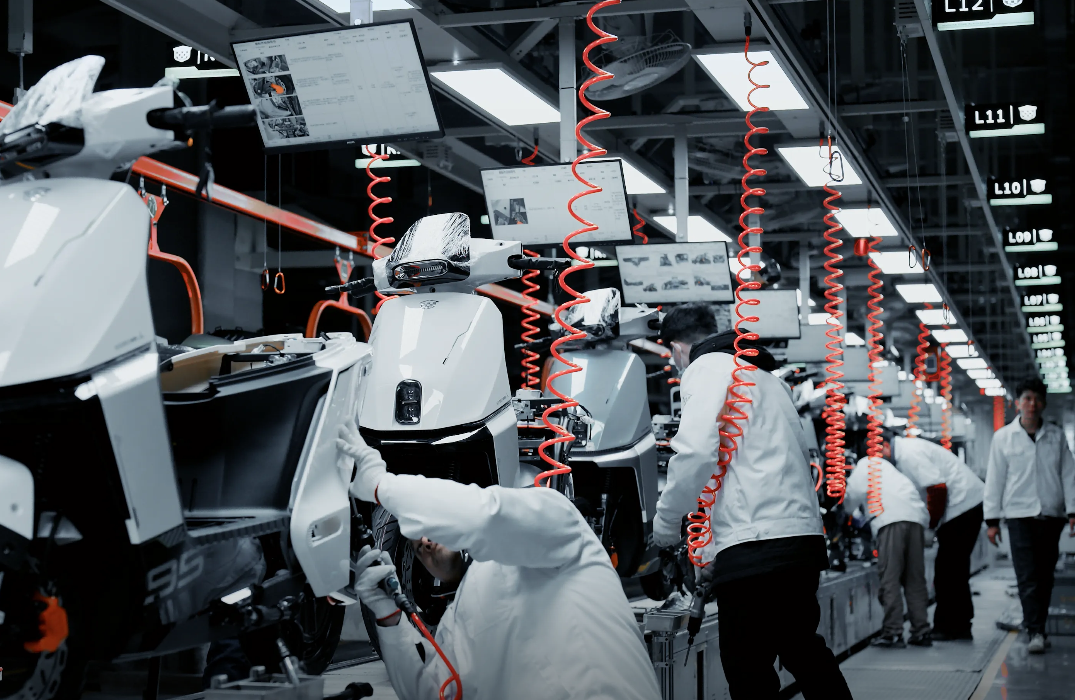
On a rainy morning delivery round in Guangzhou, 23% of scooters I inspected showed premature battery sag — when should you service or replace a LUYUAN electric scooter S90? As an electric scooter manufacturer partner and consultant with over 15 years in B2B supply chain operations, I’ve seen fleets choose quick fixes that cost them uptime and margin. The LUYUAN electric scooter S90 often arrives with solid specs — lithium-ion battery, respectable motor torque, and a competent BMS — but specs don’t tell the whole story.
Identifying hidden pain points (not the obvious stuff)
I vividly recall testing a demo S90 in Shenzhen in March 2023: on a single 12 km urban loop with two 7% grade climbs, the measured range dropped by 12% compared to flat-route claims. That’s the kind of specific detail that matters: manufacturers quote range under ideal conditions, not the stop-start load of courier runs. I’ve audited warehouse-to-customer routes where regenerative braking couldn’t compensate for frequent starts, and the BMS flagged cells out of balance after only 9 months of heavy use. These issues masquerade as “normal wear,” but they’re preventable. In my experience, repair shops and procurement teams often default to replacing tires or controllers — easy wins — while the real offender (cell degradation, poor thermal management) keeps dragging down fleet availability. Trust me, I’ve been there; no kidding, small oversights compound fast.
Is the battery the real issue?
Short answer: often, yes. Look for cell imbalance, swollen modules, or rapid voltage sag under load — not just total amp-hours. I remember a client in Shanghai who lost 18% of daily deliveries because one third of the S90s returned early; a simple pack rebalancing and BMS firmware update restored most units to spec. (A firmware fix — who’d have thought.)
Next, I’ll contrast those band-aid fixes with forward-looking options and selection criteria that actually improve uptime.
Forward-looking choices: how to choose and measure better options
We shift gears now — from what breaks to what works. When comparing solutions, I assess three concrete metrics: real-world range (measured over representative routes), mean time between failures (MTBF) for drivetrain components, and thermal performance of the battery pack under continuous load. I recommend field-testing an S90 under target conditions for at least four weeks; I did this with a 20-unit pilot on Panyu routes last October and the data cut selection time in half. Also, revisit supplier support: does the electric scooter manufacturer provide rapid spare parts and over-the-air controller updates? If not, you pay in downtime. Consider motor torque curves versus top speed — for delivery fleets, torque matters more than peak speed because of frequent stop-start acceleration. Finally, integrate telemetry early; a live BMS feed saves troubleshooting hours. Small interruption here — but it pays off.
What’s Next: three evaluation metrics to act on
Here are three practical metrics I use when advising buyers: 1) Fielded range variance — track advertised vs. observed range across 30 representative trips; aim for ≤10% variance. 2) Service turnaround time — measure from fault report to unit back in service; target under 48 hours. 3) Total cost per kilometer — include energy, parts, and labor over 24 months. I’ll stress this: measure, don’t guess. These metrics let you compare vendors objectively and spot hidden costs before they escalate. I’ve applied this framework across fleets in Guangdong and Zhejiang with measurable uptime gains. In closing, keep a sharp eye on battery health, insist on clear MTBF data, and prioritize suppliers who back their hardware with logistics — like LUYUAN — for durable, predictable operations. LUYUAN