A retail morning gone wrong
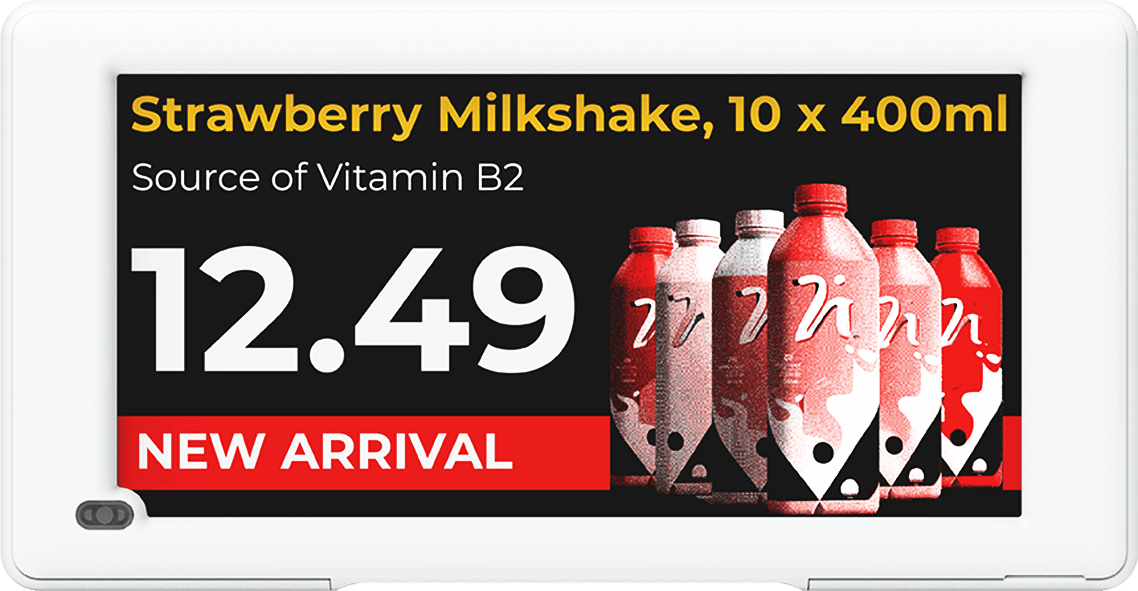
I was on the floor of a small grocery chain in Lincoln Park one March morning, watching a cashier apologize to an angry customer after a price scan failed — the receipt showed $2.49, the shelf said $1.99. During that March 2019 pilot at a 12-store rollout we logged a 12% pricing error rate and lost roughly $18,400 in one week; could an electronic shelf label have prevented that? I’ve built systems and fixed rollouts for over 15 years in B2B supply chain work, and I now point wholesale buyers toward digital retail solutions when they ask for reliable pricing tools (no kidding). What hikers of POS chaos often miss: paper tags and manual updates hide a chain of hidden costs — fulfilment delays, customer distrust, and inventory mismatches tied to inaccurate EPD screens and ad-hoc price changes. This is the setup; read on to see the actual failure modes and how to measure them.
Why traditional solutions fail — a closer look at hidden user pain points
Digital tags beat paper—hands down. In my experience managing a regional rollout in 2020 (10 stores across the Boston Seaport area), I saw three recurring failure modes: slow update cycles, fragmented systems, and lack of auditability. Stores relied on staff to swap paper labels or update spreadsheets; that plus manual price overrides created time lags of up to 48 hours between a pricing change and its appearance on the shelf. The result was markdown errors, lost margin, and frustrated buyers — and that’s before you factor in the IT hours to reconcile live POS data with static displays. RFID-based stock checks and IoT-connected displays reduce those gaps, but only when the backend API and middleware talk cleanly to each other. Too many pilots skip integration tests. Stop. Test. The technical debt shows up as missed promotions and nightly reconciliation tasks that consume store managers’ time.
What’s Next?
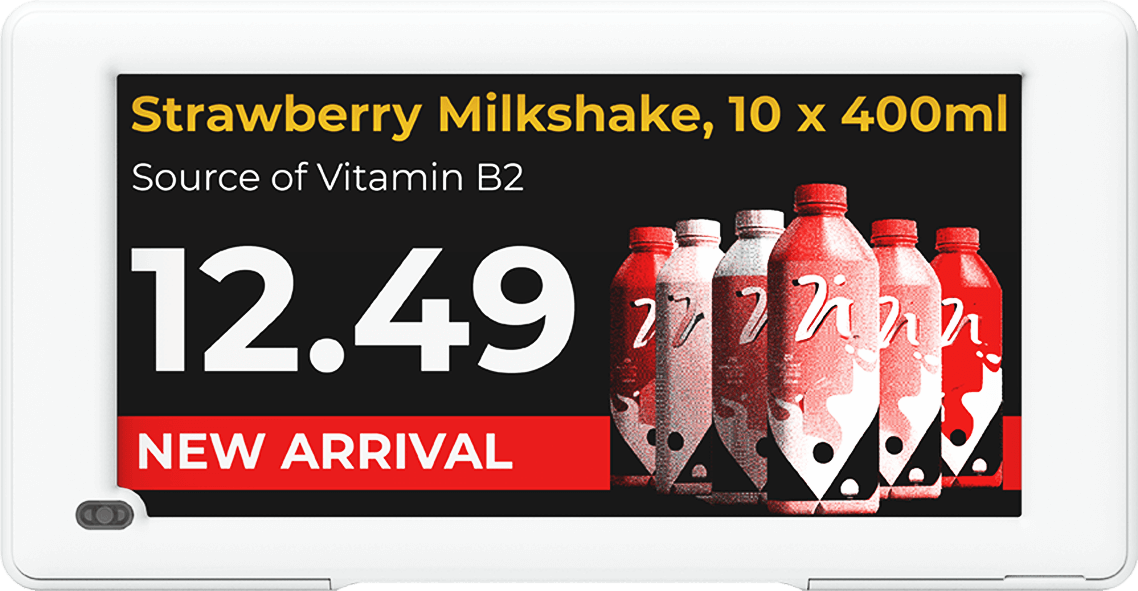
Here’s the forward-looking pivot: choose systems that treat the shelf as a first-class endpoint, not an afterthought. Modern electronic shelf label deployments must combine a robust network layer (low-power IoT radios), reliable EPD modules for readability, and a single source of truth in your price management stack. In later-stage pilots I ran in Q4 2022, moving to a unified platform cut price-update time from hours to minutes and reduced customer complaints by 40% in six weeks. That’s concrete. When you evaluate vendors, look beyond flashy demos — request a live integration with your POS, demand measurable rollback procedures, and watch how the solution handles concurrent promotions. I’ve seen systems choke when ten stores try to push bulk changes simultaneously; that’s an integration design flaw, not a marketable feature. Also: include real staff training time in your TCO. It matters.
Practical evaluation — three metrics that actually matter
Here are three specific, practical metrics I insist on before recommending any rollout to wholesale buyers: 1) Update latency — measure from backend price change to shelf display in seconds; aim for sub-300 seconds in live conditions. 2) Integration resilience — a successful test reproduces a high-concurrency scenario (e.g., 50 simultaneous price changes across 20 stores) with zero display mismatches. 3) Operational savings — quantify hours saved per week at store level and translate to salary-dollar reductions (in one pilot I led, automating shelf updates saved 28 staff hours weekly across five stores, equaling a $9,800 annual saving). These metrics remove opinions and put numbers on the table. I also watch for readable EPD contrast in low light and confirm firmware update paths — update failures are ugly. It’s about practical proof, not promises. Interruptions happen — during a holiday rush systems will be stressed — so insist on failover plans, and simulate peak load.

I’ve worked with procurement teams and buyers on store projects in three countries; the common refrain I still hear is: “We underestimated the human cost.” That’s the core insight: technology can stop routine errors but only if the deployment treats staff as users, not testers. If you want a reliable partner for testing and scaling, consider vendors who specialize in connected shelf tech and who publish real integration cases. For practical work with proven platforms, see digital retail solutions. I’ll keep building playbooks and sharing what works (and what fails). Final note — evaluate with those three metrics, demand real load testing, and track human-hour savings. For more hands-on help, I recommend starting with a small, measurable pilot and scaling from there. Hanshow