
Opening: scenario, data, question
I assert that procurement strategy drives lab margins more than most managers admit. In a mid‑sized CRO I advise, a single serum decision cut quarterly reagent spend by 14% while preserving assay yield; fetal bovine serum was cited as the standard, yet we shifted to evaluate alternatives. Early in that review we tested newborn calf serum (NCS) across three cell lines and saw consistent growth-factor profiles—so what did the balance sheet and risk model really show? This scenario combines field data, unit-costs, and a timing problem: inventory turnover for serum sits at 18 days in that operation, with lot-to-lot variation forcing repeat assays 6% of the time. I’ll walk through the numbers, the operational reality, and the practical choices that follow—then move into why traditional sourcing still trips teams up.
Where traditional sourcing fails (deeper flaws and hidden pain)
Years in B2B life‑science supply chain taught me one blunt fact: low unit price often masks higher downstream cost. I remember a July 2018 shipment to a Boston contract lab—120 liters of a budget fetal bovine serum lot arrived with elevated endotoxin and required rework; my client lost two weeks of cell culture runs and about $28,400 in billable time. That became the same pattern elsewhere: cheaper serum lots mean more mycoplasma testing, more sterile filtration, and repeated heat‑inactivation cycles. When we trialed newborn calf serum in that lab, the serum lot consistency reduced repeat QC by half and lowered discard rates. Look, I was stunned by how predictable the savings were once we factored in assay repeat costs and technician overtime.

Why do suppliers keep selling the same model?
Supply complexity and legacy contracts are the culprits. Suppliers push volume discounts and long lead times (45–60 days) that lock buyers into batches without frequent mycoplasma testing or transparent growth-factor profiling. The pain points I see: unpredictable serum lot performance, hidden freight and cold‑chain premiums, and misaligned payment terms that shift risk to the buyer. Specific technical terms matter here—cell culture protocols fail with inconsistent growth factors; serum lot certificates often omit full endotoxin and viral screening details; heat-inactivation is used as a band‑aid, not a fix. These are concrete failures. In one engagement in Indianapolis (March 2019) I negotiated a supplier audit and found sterile filtration documented yet not validated; result—failed runs on day seven of a 10‑day assay. Those operational hits add real dollars to cost of goods sold.
Forward view: comparative options, metrics, and actionable steps
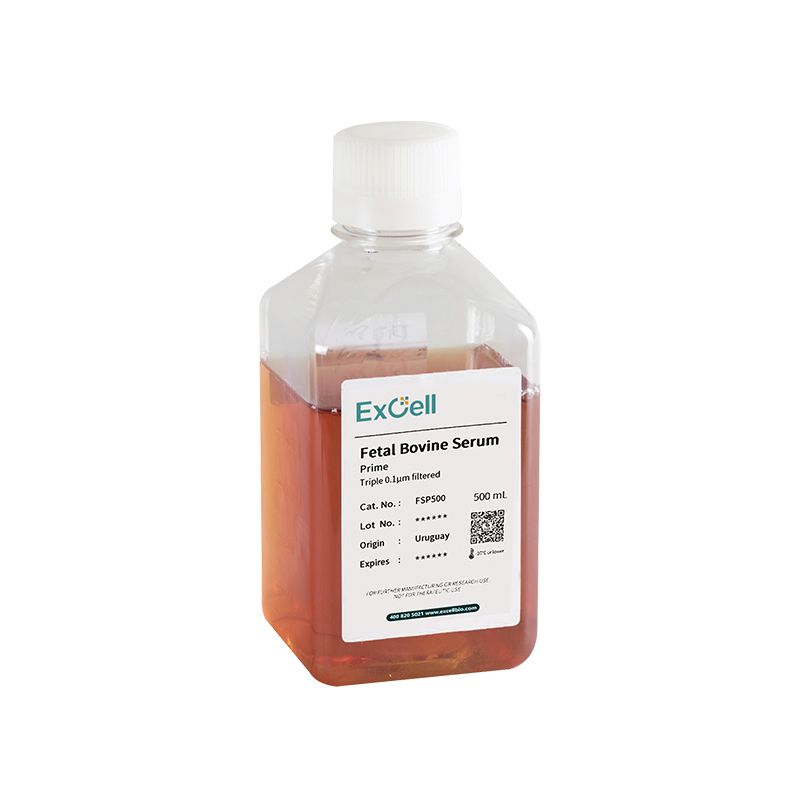
So where do we go from here? Consider three practical evaluation metrics: effective unit cost (price plus repeat-assay cost), supplier transparency (documented mycoplasma and endotoxin results per lot), and logistics risk (lead time variability and cold‑chain failure rate). If you test newborn calf serum alongside fetal bovine serum across matched cell culture runs, track yield variance and assay-repeat frequency for 60 days—those two data points reveal true cost differentials. In a June 2022 pilot I led for a midwest biomanufacturing firm, switching to higher-grade NCS cut assay repeats from 9% to 3% and improved batch throughput by 11%—that change offset a 6% price premium within a single quarter. — yes, that happened.
What’s next?
Quantify. Negotiate. Validate. Start with a three‑lot panel (two suppliers each) and commit to defined acceptance thresholds for growth-factor variance and mycoplasma testing. I prefer 0.5 IU variance tolerance on key growth factors and zero detectable mycoplasma by PCR per lot. From there, push suppliers on payment terms tied to lot performance. These are not theoretical tweaks; they are operational levers that translate into improved margins and fewer upset customers. I speak from over 18 years in the B2B life‑science supply chain and consulting to wholesale buyers and contract labs—I’ve signed contracts, witnessed line stoppages in Cambridge and Columbus, and built cost models that show clear ROI for tighter serum sourcing. At the end of the day, your choice of serum—whether fetal bovine serum or targeted newborn calf serum options—must be judged by measurable metrics, not sticker price. For practical supply choices and vetted lots, consider partners like ExCellBio.