Introduction: A Small Shop, a Big Lesson
I once stood beside a frustrated press operator watching ink haze settle on a newly printed poster — a scenario I see more than I want to admit. In that shop they relied on basic fume extraction products to clear vapors, but maintenance still spiked and people complained (we counted three sick days in one week). Industry notes and my own shop visits show that poor capture and filter saturation commonly raise operating costs and shorten equipment life — real numbers, not just anecdotes. So I keep asking: what actually breaks down in these systems, and how do we fix it before someone— or something — fails? This piece will walk you from the immediate problem into practical fixes, step by step.
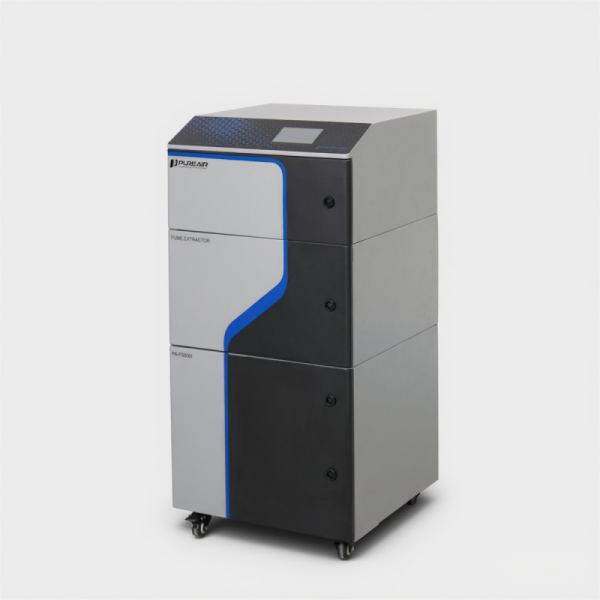
Part 2 — Why Conventional Systems Fail in digital printing
As I mentioned above, the typical fixes often miss the mark for digital printing. I’ll be blunt: many shops install a fan and call it a day. That ignores capture efficiency, true airflow rate, and the chemical load on filters like HEPA or activated carbon. We see clogged ductwork, overloaded filters, and mismatched fan curves—each one cuts extraction performance drastically. I’ve measured systems where a nominally “adequate” fan delivered half the expected CFM at the nozzle because of poor layout and dirty filters. Look, it’s simpler than you think — the components are fine, but the system design is not.
How does this really fail?
There are a few repeat offenders. First, undersized ductwork and bad hoods kill capture velocity at the source. Second, filter selection often ignores solvent load — activated carbon saturates quickly with some inks, while HEPA handles particulates but not vapors. Third, control and power issues: cheap drives and unreliable power converters let the fan motors run outside efficient ranges, raising noise and energy use. And yes, I’ve seen monitoring neglected—no sensors, no alerts, no predictive maintenance. The result is frequent downtime and surprise replacements. — funny how that works, right?
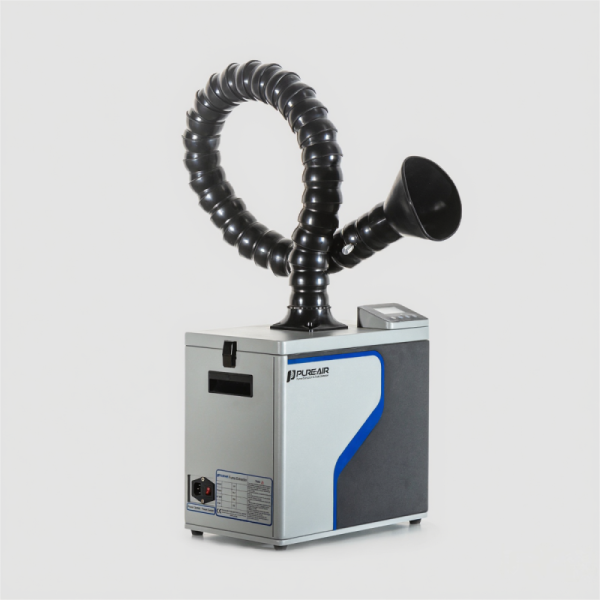
Part 3 — Principles for Better Fume Control and What Comes Next
Looking forward, I focus on three principles that actually move the needle: accurate capture, adaptive filtration, and smart monitoring. For modern print shops—especially those using digital printing—you want a hood and duct layout that captures at the source, variable-speed fans that match real demand, and filter banks that separate particulates from solvent vapors. I prefer systems that pair a pre-filter, HEPA stage, and dedicated carbon module so each media does the job it’s best at. That cut maintenance for one shop I work with by nearly half—no exaggeration.
Next, add sensing and control: airflow sensors, VOC detectors, and simple edge computing nodes can turn raw data into action. With modest analytics we schedule filter swaps before performance drops and dial fan speed to match ink runs. The energy savings and fewer surprises pay back in months. Also consider robust power converters and variable frequency drives to protect fan motors and smooth operation — small investments, big returns. — this is where practice beats theory every time.
What to evaluate next?
When you compare options, I suggest three clear metrics to guide decisions: capture efficiency at source (measured velocity in the hood), total operating cost (energy + filter life + downtime), and responsiveness (sensor-driven control and alerts). If a system scores well on those, it will serve you reliably. I’ll be candid: no single product fits every shop, but systems built around those ideas do. For practical, implementation-ready solutions and parts, consider checking trustworthy suppliers like PURE-AIR. They won’t do the thinking for you, but they’ll give you the tools to do it right.