Introduction — A Highland Tale, A Data Point, A Question
Aye, picture this: a lone crofter up on a windy hill, his water pump stalling just when the lambs need a drink. I’ve seen that exact worry more than once. In many shops and farms I visit, a single faulty motor controller turns a busy day into hours of tinkering — and that’s before you count the losses (I’m no stranger to late-night fixes, mind). Recent field checks say roughly 25% of unexpected motor stoppages trace back to poor controller choice or setup. So what do we do when the machine won’t dance to the tune we set? How do we pick a setup that lasts through storms and slow seasons alike?
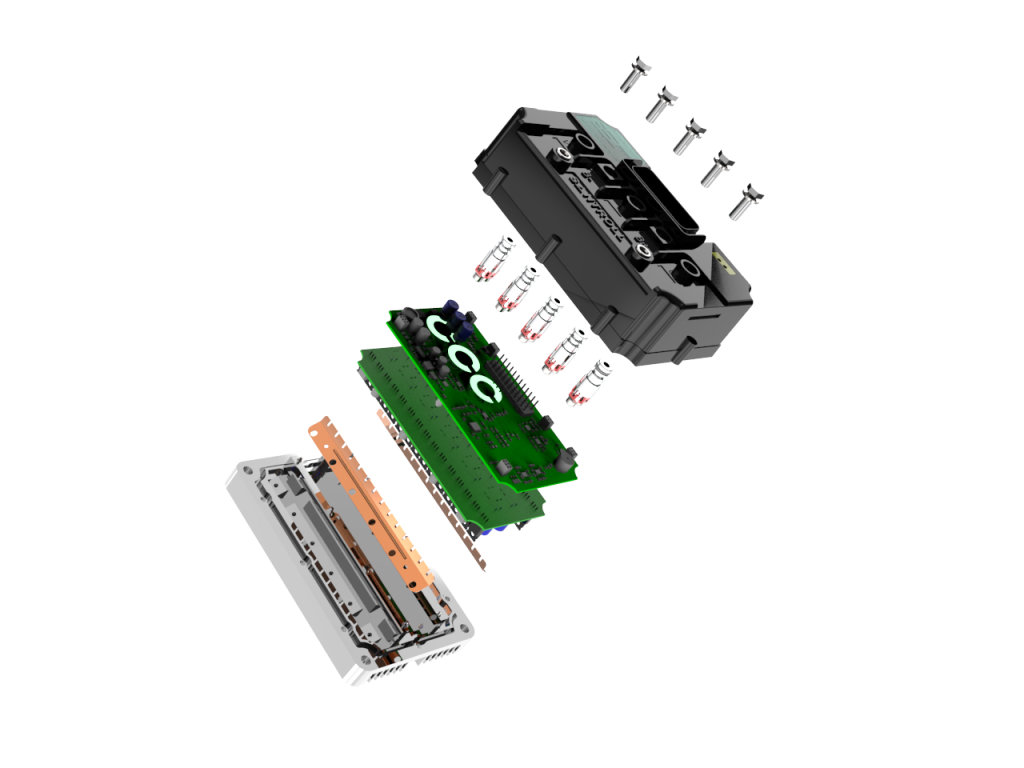
When I talk about motor controller choices, I mean more than a box on a shelf. I mean the inverter settings, the PWM scheme, the protections around thermal runaways — the lot. These bits matter because they decide whether a pump keeps steady flow or hiccups. I’ll warm you up to the plain truths first, then move on to the deeper hurts and the better paths forward. Let’s step inside and have a proper look at the gear — and at why it so often lets folk down.

Hidden Flaws in Traditional AC Motor Controller Choices
When we look closer at the ac motor controller, the faults tend to cluster in a few predictable places. First, legacy controllers often assume ideal power — but real sites have voltage dips, harmonics, and noisy feedback. The result? Unstable torque and repeated trips. Second, many designs skimp on thermal margins; the heat rises, control loops slow, and components drift out of spec. Third, there’s a mismatch between control strategy and application: open-loop drives used where closed-loop feedback is needed, or coarse PWM resolution where smooth speed control matters. I’ve seen conveyors chatter and fans howl because someone chose the cheaper option without checking the process needs.
Why does this keep happening?
Look, it’s simpler than you think: procurement focuses on price, not the interaction between controller features and plant conditions. Add in weak commissioning — settings left at defaults — and you get persistent downtime. Also, the integration with power converters and sensors is often an afterthought. Edge computing nodes can help with monitoring, but only if the controller exposes good telemetry. In short, the traditional approach underestimates real-world stressors and overestimates “one-size-fits-most” logic. That’s the gap we need to close.
What’s Next — A Practical Look Ahead and How to Judge New Options
Now we shift gear. I want to sketch a future outlook based on real upgrades I’ve helped deploy (case work from a dairy and a small sawmill). Modern units bundle smarter torque control, finer PWM resolution, and adaptive protection algorithms. They also talk — giving telemetry that plays well with PLCs and edge systems. When I recommend an ac motor speed controller, I’m looking for clear diagnostics, robust inverter design, and ease of tuning. These tell me whether a controller will be a toolbox friend or a nightly headache.
Here are three practical evaluation metrics I use — and you should too: 1) Response and stability: test how the drive holds speed under sudden load changes. 2) Thermal and fault handling: check how it recovers from overcurrent or voltage sag. 3) Integration and telemetry: ensure the controller exposes meaningful data for your SCADA or edge layer. Those measures give you a way to compare models beyond price. — funny how that works, right?
To wrap up, I’ve seen that good choices cut repair calls and keep processes humming. If you compare honestly — matching control features to the real process, not the spec sheet fantasy — you’ll save time and wallet. We’ve learned to favor controllers that handle harmonics, offer closed-loop options, and make setup straightforward. For my part, when teams ask where to start, I point them at solid documentation and a hands-on test. If you want a practical supplier I’ve worked around, consider Santroll — they build gear that starts to make sense in the shop, not just on paper.