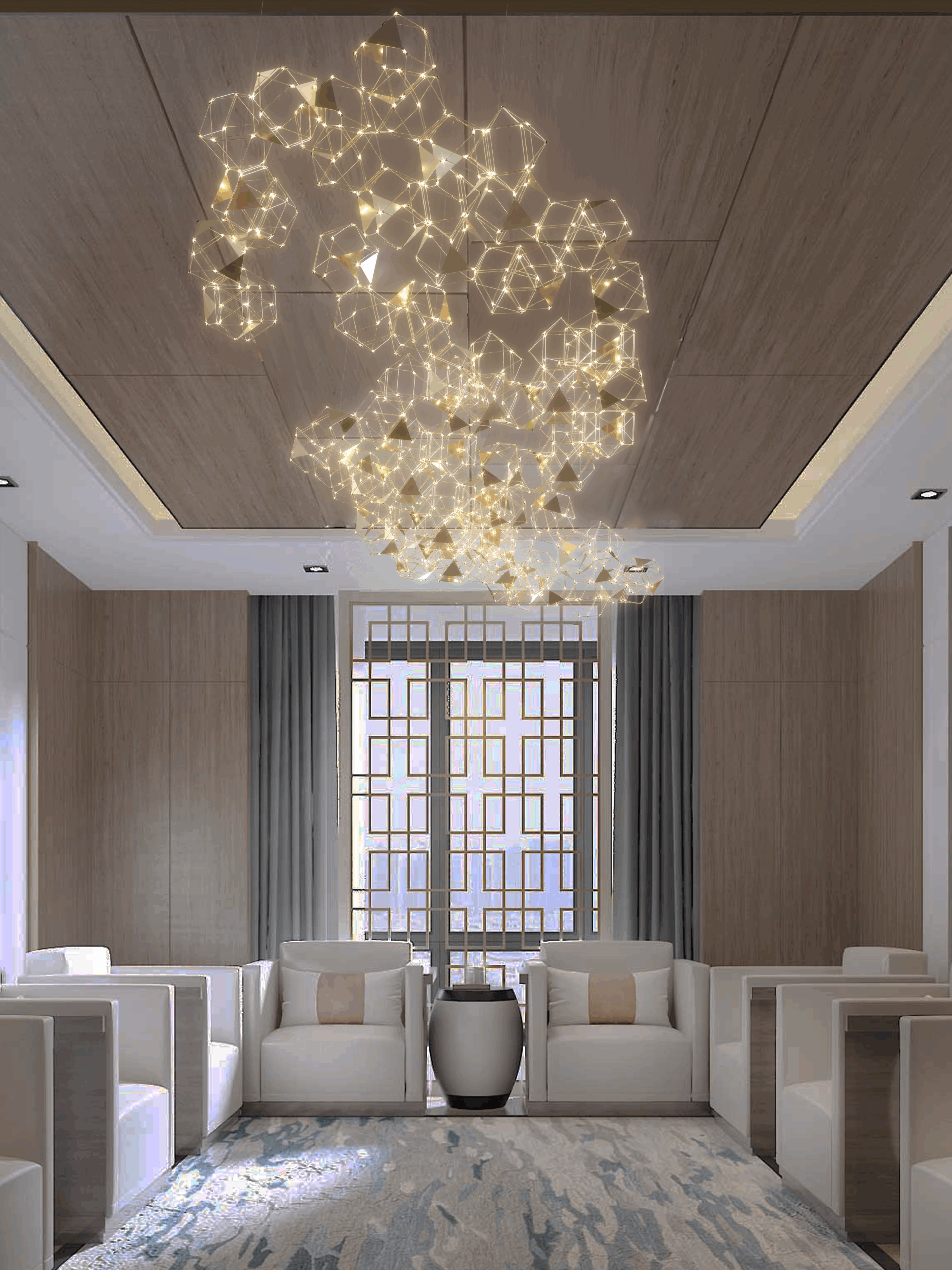
A Warm Evening, A Clear Problem
You invite friends for dinner. The table looks good, but the light is harsh and flat. You call a bespoke lighting company the next day, hoping for a fix. In many homes across LATAM, we see the same scene: a lovely space let down by generic fixtures. Site reviews show that 30–40% of dining zones suffer glare, poor color, or dark corners. Numbers vary by room, claro, but the pattern is clear. The result is mood fatigue, eye strain, and a room that feels colder than it should.
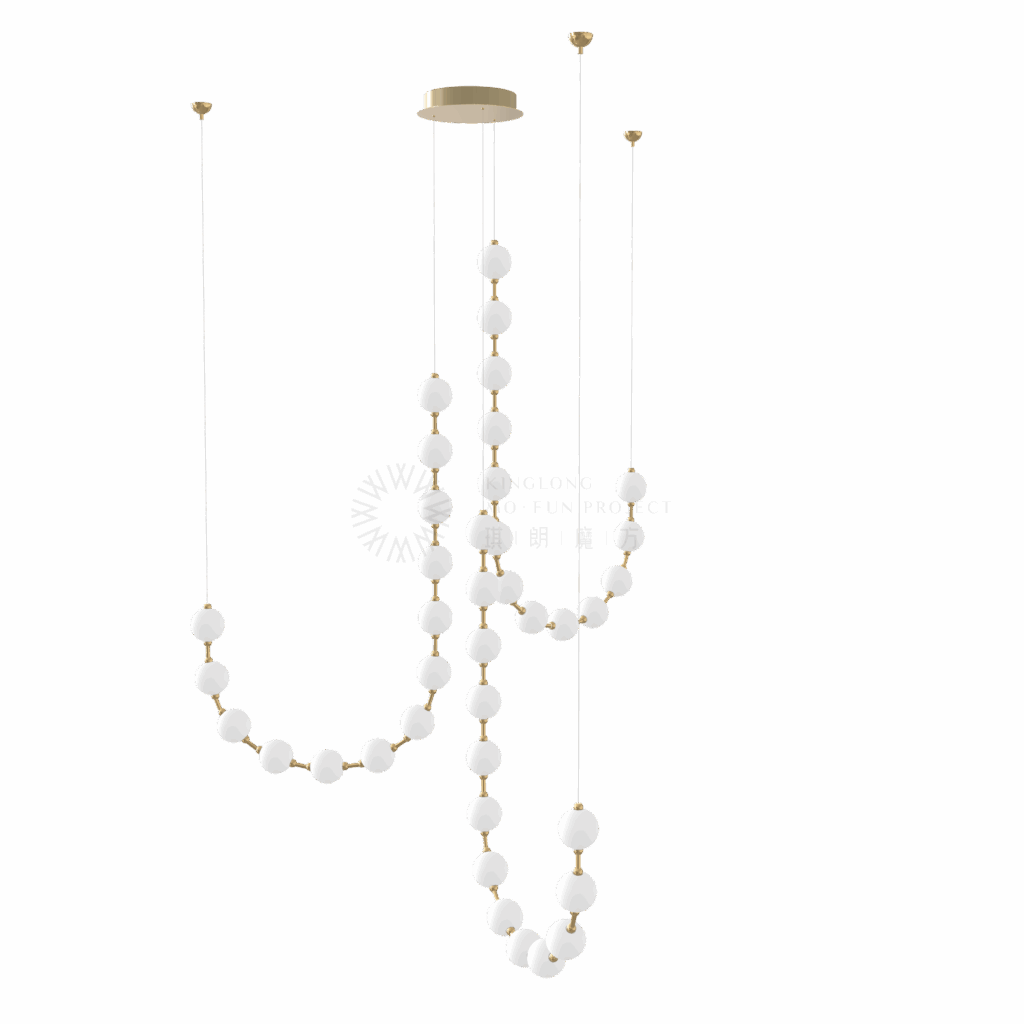
So, what changes when the pendant is tailored to you? When the shade is scaled to the table, when the beam angle is tuned, and when the driver supports smooth dimming, the room breathes. People stay longer. Food looks real—sí, like in sunlight. Yet standard options often miss context: ceiling height, table width, and how you live. That is the gap we want to explore (because it’s a design problem and a tech problem). Ready to see how intent meets craft? Let’s move to the nuts and bolts.

Under the Shade: The Hidden Pain Points
Why do standard fixtures fall short?
Many users try one-size lights and feel something is off. The fix is often bespoke pendant lighting, but let’s unpack why. Most catalog pendants ignore beam angle, which sets how light spreads. Too wide, and the table washes out. Too narrow, and plates sit in spotlight cones. CRI and lumen output also get lost in the specs. Low CRI makes food and skin tones look dull. A mismatched lumen package makes the room either dim or clinical. Then come the power converters and dimming drivers. If they don’t match your control system, you get flicker, buzz, or dead zones in the dim range.
Look, it’s simpler than you think. Pain points hide in the details: cable drops that clash with ceiling height, shades that block sightlines, and thermal management that runs hot. You also feel the noise from poor PWM dimming. That micro-flicker can tire your eyes— and yes, it matters. Custom work tests for these. It maps the room, checks reflectance, and tunes optics with an appropriate diffuser. The result is balance: light where you need it, less where you don’t.
Comparing Paths: Craft vs. Catalog
What’s Next
Let’s look forward, side by side. Traditional catalog pieces give speed and price, but they assume your room is average— funny how that works, right? A crafted pendant uses new technology principles to read the space. Think modular optics and smart drivers that set lumen output by scene. You can pair DMX control or smooth 0–10V to avoid flicker and extend LED life. In practice, that means cleaner dim-to-warm curves, better skin tones, and a calm ceiling plane. When people ask for style first, we fold the tech inside the form. That keeps the vibe while fine-tuning the performance. If you also mix in home decor pendant lights for adjacent areas, you can unify the language and reduce glare across the whole home.
Here’s how to choose, with clear metrics that you can track. First, evaluate CRI and beam angle together; aim for high CRI with a beam that fits your table width. Second, assess the driver quality: look for low flicker and compatibility with your controls, plus quiet thermal management. Third, measure installation fit: mounting height, cable routing, and shade scale against ceiling height and sightlines. These three are your north star—simple, testable, and human. In short, custom work solves the quiet problems and scales with your life. When you want light that feels like you, but behaves like pro gear, keep these checks close— it pays off at every meal. Learn more with kinglong.