Introduction
Spectacle wins audiences; guesswork loses them. Festival laser lights decide the skyline, the photos, and the late-night energy. When you spec event laser lights for a waterfront stage, the stakes are high. Picture a dusk load-in, cables snaking across wet decking, and a tight show clock—then note this: industry surveys show that setup delays eat up to 25% of opening slots, and weather-related faults account for a big share of support calls (not a surprise to anyone who tours by the sea). So why do so many shows still struggle with dim beams, jittery scanners, and uneven coverage? The issue is not only hardware age; it is systems thinking. Power distribution, control latency, and thermal stability must line up, or the promise of vivid aerials fades fast. We speak kindly and clearly here, dear reader, because it saves time and money.
Directly, our question is simple: which design choices in laser rigs give you consistent results, and which ones quietly drain your budget? Look, it is simpler than you think. But we need to compare the usual setup to the smarter path, and we will keep our lens on reliability, clarity, and safety. Let us move to the real frictions behind the glow.
The Quiet Frictions Behind Event Laser Lights
Where do old setups fall short?
This is the technical heart of it. Classic rigs lean on long DMX512 runs, external ILDA lines, and mixed power converters. Each piece adds loss, latency, or heat. Galvanometer scanners drift when thermal management is weak; beam divergence creeps up when optics get dusty; and IP65 claims do not help if cable glands wick water. In high humidity, even a small leak raises failure risk, then your emergency plan kicks in—funny how that works, right? And when operators chase cues across daisy-chained controllers, control jitter becomes visible in mid-air fans and tunnels.
Hidden pain points multiply at scale. Load-in crews wrestle with mismatched connectors and ground loops. Safety zones get recalculated because fixtures cannot hold calibration after a hot afternoon. Firmware updates lag, so profiles for PWM dimming and color modulation fall out of sync. Meanwhile, the audience sees flicker where smooth gradients should be. The irony is clear: brightness specs sell, but stability wins the night. A modern approach reduces cable count, shortens the signal path, and keeps thermal headroom. That is why robust housings, sane power design, and predictable control layers beat a high-watt badge alone.
From Legacy Beams to Smart Systems: A Comparative Path Forward
What’s Next
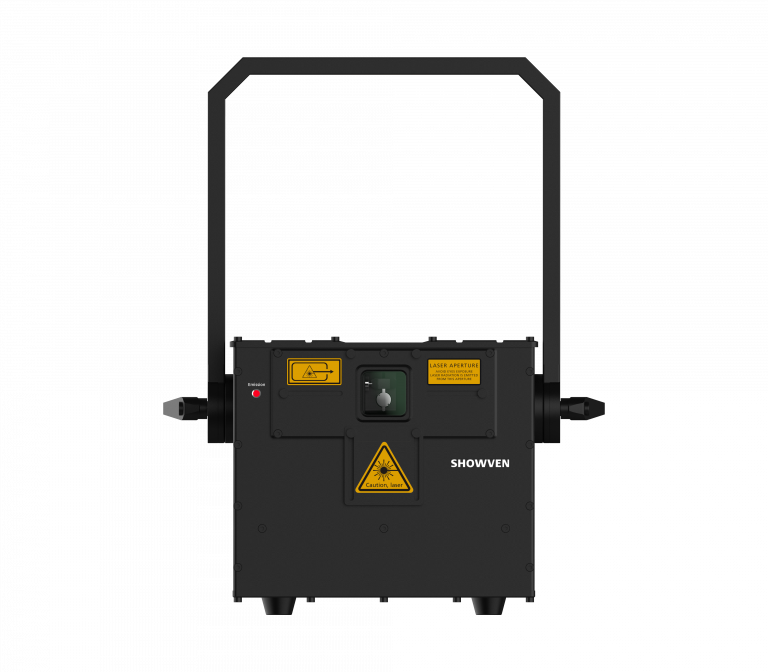
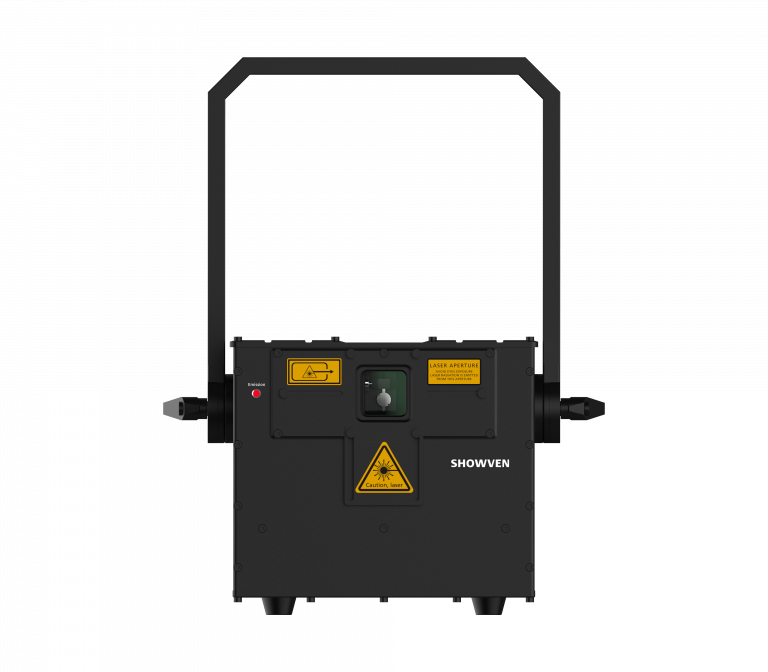
Let us switch to a forward-looking lens, with a semi-formal tone to match the stakes. New rigs embed edge computing nodes for cue handling near the head, so control hops shrink and timing stays tight. Auto-calibration routines use sensors to correct scanner bias on boot. Sealed optics modules with IP67 gaskets cut maintenance, while active thermal paths keep drivers steady under load. In practice, that means fewer drift checks, fewer lost minutes, and cleaner aerial geometry even late at night. When storms threaten, housings rated for laser light waterproof performance protect galvanometers and drivers, not just the outer shell. The net result is better uptime and fewer surprises—on the operator desk and in the sky.
We also see a shift in control. Hybrid protocols blend networked timecode with low-latency triggers, reducing reliance on long ILDA runs. Safer audience scanning emerges from smarter zoning, verified by onboard sensors and logged to the controller. Compared with legacy chains, these systems catch issues before they reach the beam path. The summary is brief but clear: reduce cabling, raise sealing quality, stabilize heat, and streamline control. You will feel it in faster setups, steady lines, and fewer service calls. To choose well, evaluate three things: 1) enclosure integrity and rating across real conditions, not only lab IP marks; 2) control architecture—how many hops, how much latency, how it fails over; 3) optical stability under heat—scanner spec, beam divergence, and how quickly the rig re-centers. In short, aim for tools that turn complexity into predictability, and your show rhythm will follow. Courtesy and craft go together here, and they serve the audience first. Showven Laser