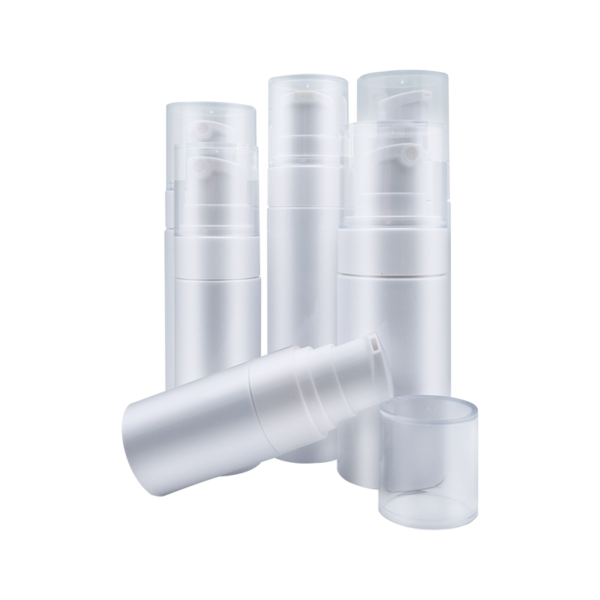
Morning Mess, Small Fix: Why Our Pumps Still Drip
I was wiping a sticky ring of lotion off the counter this morning, thinking, here we go again. The pet pump bottle looked innocent, but a little dribble had crept down the neck, wi. In many homes and salons, small leaks add up; service teams report a steady trickle of clog and spill complaints. When we check the parts—the actuator, the spring, the dip tube—we see how tiny tolerances set off bigger mess. But why do we still accept the waste and cleanup when the hardware should be simple?
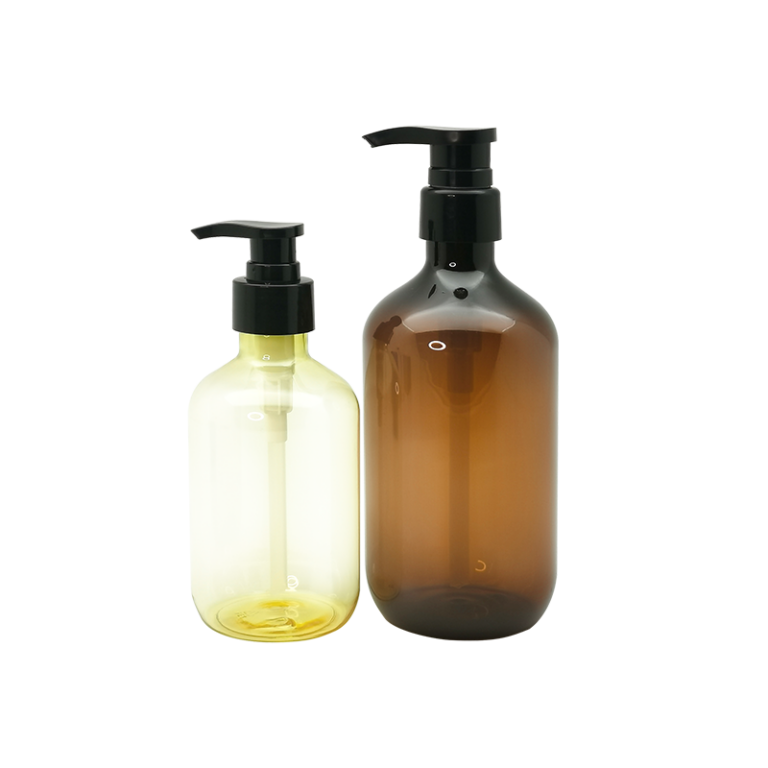
In tests, a few grams lost per week is common, and with thicker formulas, the risk grows. That’s viscosity at work, plus closure torque set too loose or too tight. Some days it’s a clog; other days, backflow after dosing. So I ask you: if the pump can meter shampoo, serum, even sanitizer, why can’t it keep the counter clean? (Nou ka fè pi byen.) The answer sits in design choices and user habits—funny how that works, right? Let’s step past the surface story and look at what’s really going wrong, then how to compare fixes without guesswork. Next up: the quiet problems that users rarely say out loud, but feel every day.
Hidden Pain Points in PET Pump Formats You Already Use
What’s actually failing?
Many buyers choose pet bottles with pump by size and color first, then hope the dosing works. Look, it’s simpler than you think: most leaks and sputters come from three small gaps. First, the non-return valve can’t seal fast enough after a press, so product creeps back and wets the head. Second, the spring rate doesn’t match the formula’s viscosity, so you get partial rebound and air mix. Third, closure torque drifts during filling or capping; micro-gaps let product travel under the collar. Each issue compounds. Thin cleaners atomize; thick creams string. Add one more variable—the dip tube cut—and you change dose output by a few percent. Over a month, that’s a lot of waste. Users see “mess,” but underneath it’s timing, seal geometry, and headspace behavior.
Remember the morning counter ring? That’s often delayed weeping after press. The pump finishes, but negative pressure pulls a tiny column back through the orifice, then gravity does the rest. Traditional fixes say “wipe after use” or “tighten more,” which masks root causes. A better path starts with matching actuator design to formula rheology, verifying spring rate in pre-shipment QA, and torque-calibrating caps in-line. None of this is exotic. It’s repeatable, testable, and quick. And when a unit is tuned, users stop double-pressing, stops clogging, and use less force. Cleaner finishes, fewer returns.
Forward-Looking Design: Comparing What’s Next to What You Have
What’s Next
Let’s shift the lens—side by side. Legacy pumps ride on simple ball-and-seat checks, wide tolerances, and static vents. Newer builds use micro-geometry seats, lower hysteresis springs, and controlled venting to manage pressure equalization. The principle is plain: shorten the seal path, speed the reseal, and stabilize headspace after the press. In practice, that means fewer post-dispense drips and more consistent dosing across thick and thin formulas. When you look at a china pet pump bottle, the better ones now show tighter mold cavity control, cleaner orifice tooling, and dip tube cuts that reduce vortexing. Small details—big effects. You get steady stream, no spatter, and less product bake-on around the spout. We’re not reinventing the bottle, only refining the flow path—funny how that works, right?
What should you measure before a switch? Use three simple evaluation metrics that tie back to real use. One: dose repeatability across five presses, tracked as coefficient of variation under set closure torque. Two: reseal time after actuation, measured by drip count over 60 seconds with your actual formula (not water). Three: cleanability after a week—visual residue at the orifice and collar, plus user force rating on day seven. If a candidate pump holds tight on these, most complaints fade. You’ll see fewer sticky rings, smoother feel, and less overuse by double-press. That’s how small design choices turn into real gains in kitchens, salons, and labs—step by step, not hype. For deeper specs or sourcing context, consult trusted suppliers like NAVI Packaging.