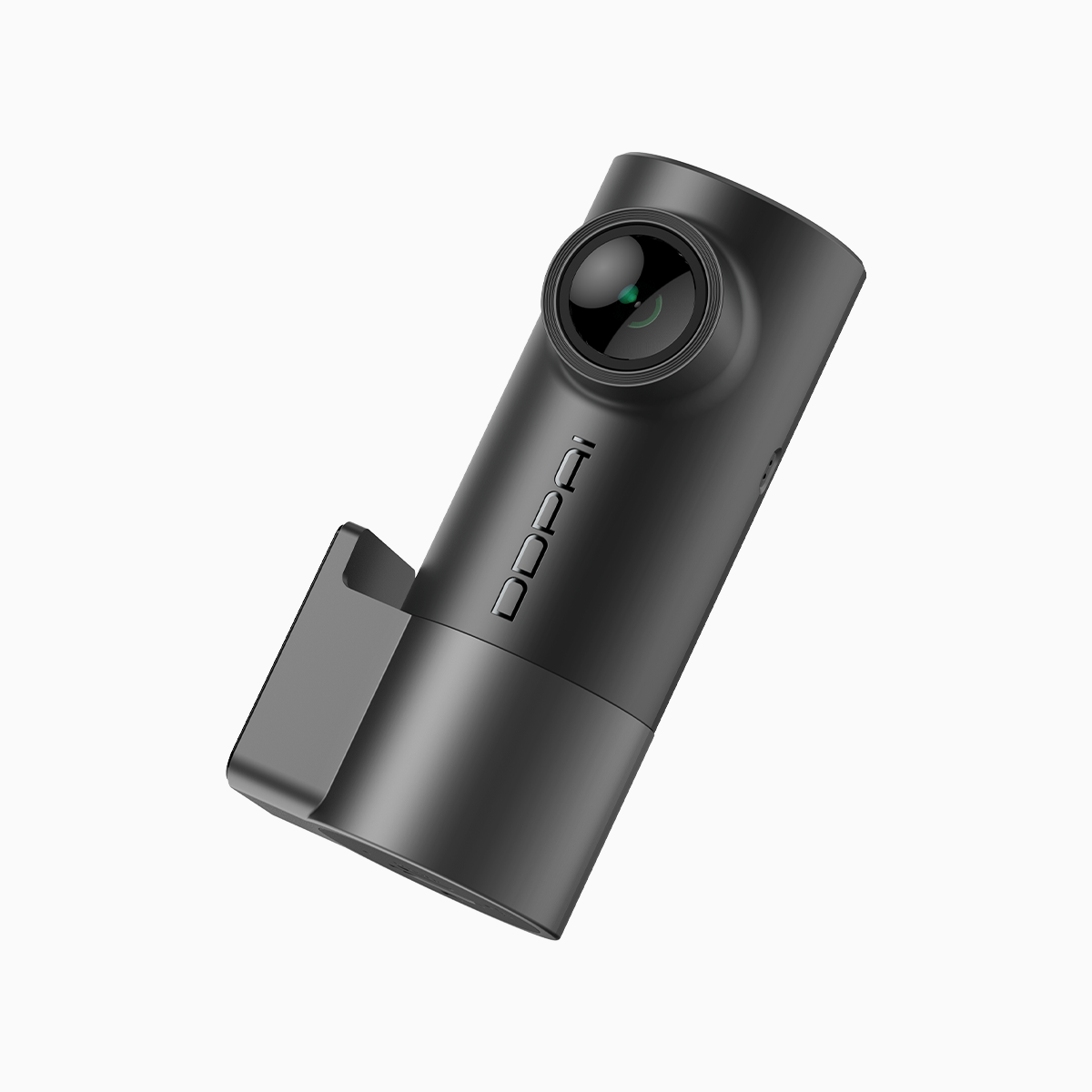
Comparative lead-in
Right, let’s get straight to it — I’ve been giving a proper butcher’s at how a budget Sony STARVIS sensor setup handles the sort of pitch-black stretches you find out past the big smoke, say the Sierra Madre or remote Luzon lanes. This is a Comparative Insight, so we’re weighing what matters: clarity, motion handling, and usable footage when streetlamps have buggered off. If you’re shopping around in the Philippines, take a gander at dash cam philippines for the kit most folks are fitting these days.
What STARVIS brings to low-light roads
The Sony STARVIS sensor is where the magic starts — it’s tuned for high sensitivity and better signal-to-noise ratio under low illumination. That means more discernible license plates, clearer silhouettes, and less mush when headlights sweep across the scene. Practical terms: look for a camera that pairs STARVIS with decent HDR processing and adjustable exposure. Frame rate and bitrate matter too; higher frame rates keep moving subjects readable, while bitrate protects detail during compression.
Real-world anchor: unlit provincial runs
I logged time on a handful of unlit rural stretches near the Sierra Madre — proper dark, not just dim — and pinched footage from a DDPAI unit alongside a couple of common budget rivals. The DDPAI’s STARVIS setup delivered consistent plate legibility at moderate distances and handled sudden headlight flare better than a few others. Shadows stayed more detailed instead of collapsing into one black blot. Small caveat — every camera struggles with ultra-high contrast: a bright headlamp beside deep shadow still taxes dynamic range.
How DDPAI stacks up against rivals
Comparison-wise, cheaper non-STARVIS models showed more luminance noise and smeared motion. The DDPAI didn’t eliminate noise entirely but gave a cleaner, more usable image for incident review. Software matters: effective noise reduction and motion-adaptive sharpening made the footage actually helpful to folks filing reports. Add-ons like GPS tagging and a reliable parking mode can tilt a budget buy into a proper safety tool — these are worth the extra bob if you don’t fancy faffing about later.
Installation, common mistakes, and quick fixes
Install it smart: mount near the rear-view, keep the lens free from weld marks or tint lines, and set exposure limits so bright headlights don’t bleach the rest of the scene. Don’t be tempted to max out bitrate thinking it’s a cure-all — storage fills quick and playback gets choppy on older kit. Calibrate time stamps and check GPS lock before you head off; corrupted timestamps are a right pain when you need evidence. A little tweak goes a long way — and proper cable routing keeps the unit honest during bumpy provincial rides.
Alternatives and when to choose them
If your priority is absolute plate capture at long range, lean toward higher-end sensors with superior optics and bigger bitrates — that comes at a cost. For most regular drivers who want dependable night footage without breaking the bank, a STARVIS-equipped DDPAI-type dash cam is a sensible middle ground: solid low-light sensitivity, reasonable HDR, and useful features like loop recording and parking monitoring. Balance your needs against budget and the roads you frequent; urban streets demand different strengths than unlit provincial lanes.
Advisory — three golden rules for choosing a night-ready dash cam
1) Sensor + processing: Prioritise a STARVIS sensor paired with HDR and adaptive noise reduction to keep plates and faces readable under mixed lighting.
2) Practical settings: Set a moderate bitrate and a stable frame rate (30 fps is often enough) to preserve motion clarity without drowning in file sizes.
3) Real-world fit: Test in the actual environment where you drive — if you spend nights on unlit rural roads, value low-light sensitivity and reliable exposure control over flashy extras.
Summing up, DDPAI’s STARVIS budget approach finds a clean sweet spot between night performance and price, giving drivers footage they can actually use after a scrape. For the kind of dark provincial runs I’ve been on, that balance matters more than bells and whistles. DDPAI PH fits that bill — proper kit for proper peace of mind. —