Introduction — scenario, data, question
Have you paused at a depot and wondered why a full shift still leaves vehicles undercharged?
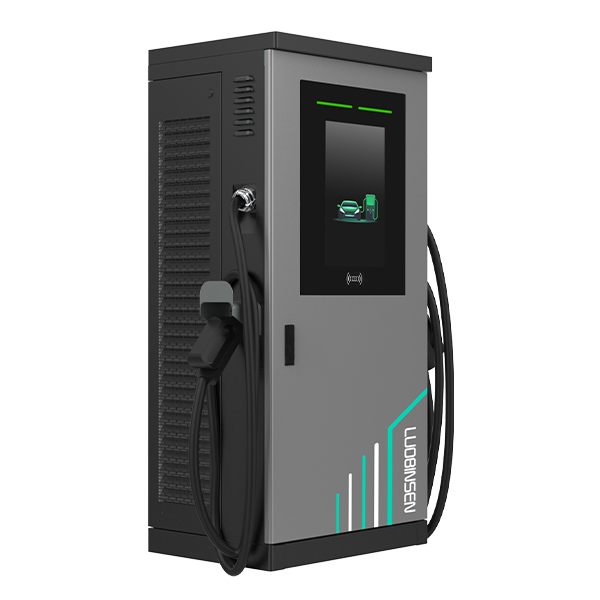
In many fleets I advise, an all-in-one charging station is pitched as the silver bullet—yet uptime and throughput still lag. Recent site audits I’ve done show utilization swings of 20–60% and thermal events rising in concentrated installations (that’s real money on the line). So what exactly breaks down between the spec sheet and day-to-day operations?
I’ll walk through the pain points I see, the technical gaps behind them, and what to prioritize next. Let’s move from symptom to solution.
Part 1 — Where traditional 200kw charger setups fall short
200kw charger systems promise fast fills, but the real-world story is messier. I’ve tested several deployments where the power converters and cooling systems were sized for ideal lab conditions, not for a full fleet cycle. The result: slowed charging, forced staggering, and dissatisfied drivers.
What exactly is failing?
First, DC fast charging peaks create huge transient loads. If the station lacks proper thermal management or a robust bidirectional inverter control strategy, power is throttled early. Second, many sites depend on static load allocation rather than dynamic load balancing tied to real-time telemetry—edge computing nodes could help here, yet they’re rarely integrated well. Look, it’s simpler than you think: most breakdowns are about timing and control, not raw kilowatts.
Also consider protocol gaps. OCPP implementations vary. Some vendors ship with limited session management, so authorization, billing and fault recovery become brittle. I’ve seen sessions drop mid-charge because of handshake issues—frustrating for operators and drivers alike. Finally, the installation footprint and cabling are often underspecified. That increases resistive losses and heat — funny how that works, right?
Part 2 — Principles for next-generation deployments (future outlook)
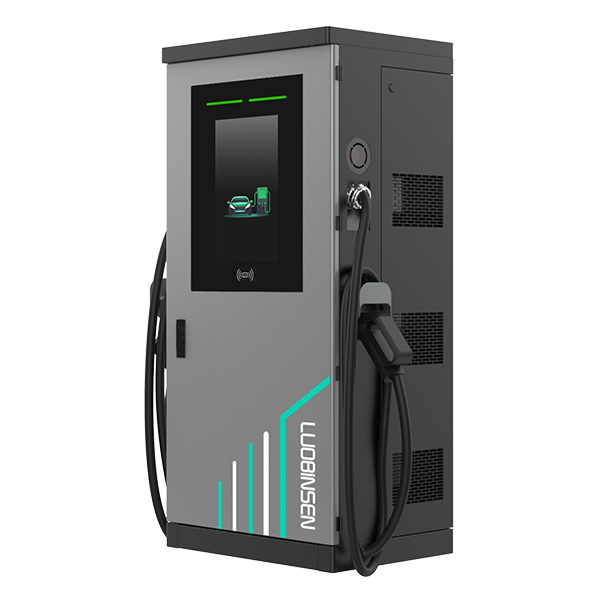
I prefer to look ahead rather than dwell on faults. New designs lean on smarter power electronics, modular layouts, and clearer software control. When I evaluate sites now, I focus on three technical principles: adaptive power allocation, resilient thermal strategy, and integrated diagnostics.
What’s Next?
Adaptive allocation means combining local energy storage, smart meters, and predictive scheduling to level peaks. That reduces reliance on oversized grid upgrades and improves throughput for all chargers. Resilient thermal strategy moves beyond bigger fans: it uses targeted cooling, improved heat sinks on power converters, and real-time thermal telemetry. Integrated diagnostics—onboard logging, OCPP health flags, and edge analytics—let you catch problems before a charger goes offline. — and yes, that matters.
For manufacturers and operators, the takeaway is clear: prioritize systems that treat software and thermal design as first-class citizens. When vendors do this well, uptime and charge speed both climb. We should expect chargers to be smart, not just powerful.
Part 3 — How to evaluate and choose electric vehicle charging equipment
When I help clients choose electric vehicle charging equipment, I use a short checklist that combines engineering and operations. The good news is that many faults are avoidable if you ask the right questions up front. Consider designs with modular power stages, accessible service panels, and clear diagnostic outputs. These cut repair times and lower total cost of ownership.
Three key metrics I recommend
1) Effective throughput under load: Ask for measured session throughput across realistic duty cycles, not peak kilowatt numbers. 2) Recovery & fault handling: How fast does the system recover from a thermal or communication fault? Look for built-in redundancy. 3) Integration readiness: Does the unit support OCPP fully? Are edge computing nodes supported for local control and telemetry?
These criteria reflect what I’ve seen in the field. They help you move past marketing claims to measurable performance. If you evaluate on those axes you’ll avoid most surprises—and get consistent returns on your charging infrastructure investment. — funny how that works, right?
If you want a practical partner who understands both the hardware and operational side, check out Luobisnen for detailed specs and support: Luobisnen.