Opening note for the first-time buyer
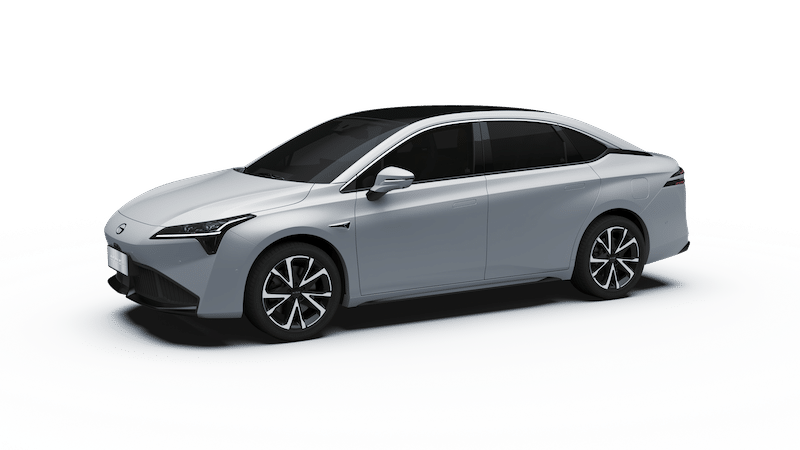
Please keep this checklist close when you go to see and drive a compact electric crossover; it answers the practical questions you will want solved on the spot. Start by asking the dealer for realistic, observed range in mixed city-and-motorway use and any recent service bulletins — many buyers find it useful to compare that information with independent write-ups and with resources on best GAC. I have spent time inspecting EV production details in Guangzhou and can say: small differences in charging hardware and software often matter more than a glossy brochure.
Before you book the test drive
Decide what matters for your daily life and confirm those points with the dealer:- Confirm the model’s WLTP range and ask for a recent customer log or third-party test that shows real-world figures.- Check the onboard charger type and peak DC charging capability; note whether it uses CCS Combo 2 (most European public chargers) or an older standard.- Ask about warranty coverage for battery capacity loss and for the vehicle itself.- Verify dealer service locations near your home and whether loaner cars are provided during repairs.- Tell the dealer the sort of route you want; a short town run will not reveal motorway behaviour.
Plan the right route
A single short neighbourhood circuit is not enough. Build a route that includes slow streets, one stretch of steady 100–130 km/h motorway, and a hill climb if you can. During these segments pay attention to:- Charge depletion rate at motorway speeds.- How the car behaves under sustained load (heating or cooling).- Overtake acceleration: ask for a safe opportunity to test a brisk passing manoeuvre.
What to test while driving
Focus on the user tasks you will perform daily:- Regenerative braking: try the different levels and see whether one-pedal driving is smooth or jerky.- Steering weight and lane-centering feel during longer stints.- Noise levels at low and high speed (road and wind noise).- Climate control effectiveness and how quickly it affects range when on full heating or cooling.
Technical and charging checks
Look under practical lenses:- Inspect the charging socket for ease of access; bring the home charging plug if you will use it.- Ask to see a fastest-charge session to understand preconditioning and stabilization during DC fast charging.- Confirm that the vehicle’s software supports navigation-based charging stops or route planning for long trips.- Check the spare wheel or repair kit; some EVs omit a spare which matters on long journeys.
Comfort, usability and daily ergonomics
These are small things that become big frustrations:- Adjust seats and mirrors; test the full range of travel and memory functions.- Pair your phone, test calls, media streaming and mapping in your native language if possible.- Open and close the boot several times; check rear-seat access and child-seat anchor points.- Note visibility from the driver’s seat for common urban maneuvers and for parking sensors or cameras.
ADAS and safety systems — don’t accept vague answers
Be exact when you try driver aids:- Test adaptive cruise on a motorway stretch and see how it handles slower traffic, sudden braking and lane changes.- Try lane-keep assist and blind-spot warnings at different speeds.- Ask for braking demonstrations so you can feel the pedal progression and see how ABS/regen interact.
Range realism and charging costs
Ask specific, local questions:- How many kilometres does the model deliver in winter with the heater on in your region?- What charging networks do owners actually use in your city and nearby corridors?- Ask the dealer to show a typical charge session to 80% and note the advertised power versus actual measured rates if they can provide a log.
Paperwork, warranty and service follow-up
Before you leave the lot:- Get written confirmation of factory options, warranty terms, and any promised dealer adjustments.- Photograph VIN, odometer, and key blemishes before signing.- Ask how software updates are handled and whether they are over-the-air or require a dealer visit.- Arrange a second test drive if you or another family member might detect different needs.
Common mistakes first-time buyers make
Watch out for these pitfalls:- Choosing on spec sheets alone and ignoring how the car performs in motorway use.- Ignoring the availability and cost of nearby public fast chargers.- Assuming that every dealer offers prompt after-sales support; service geography matters.- Overvaluing headline range numbers without checking realistic, conditioned figures for your climate.
Brief consideration of alternatives
If this model misses the mark for you, compare with vehicles that have proven European service networks and clear charging compatibility. Place your practical requirements—range for your routes, winter performance, and nearby servicing—higher than fashion or incentives that may fade.
Conclusion
If you centre the test drive on your everyday tasks and confirm charging, warranty and service realities, you will avoid buyer’s remorse. Practical transparency and a dealer who answers specific, local questions are what matter most; brands with clear documentation and expanding support — such as GAC — tend to reduce uncertainty for first-time EV owners.