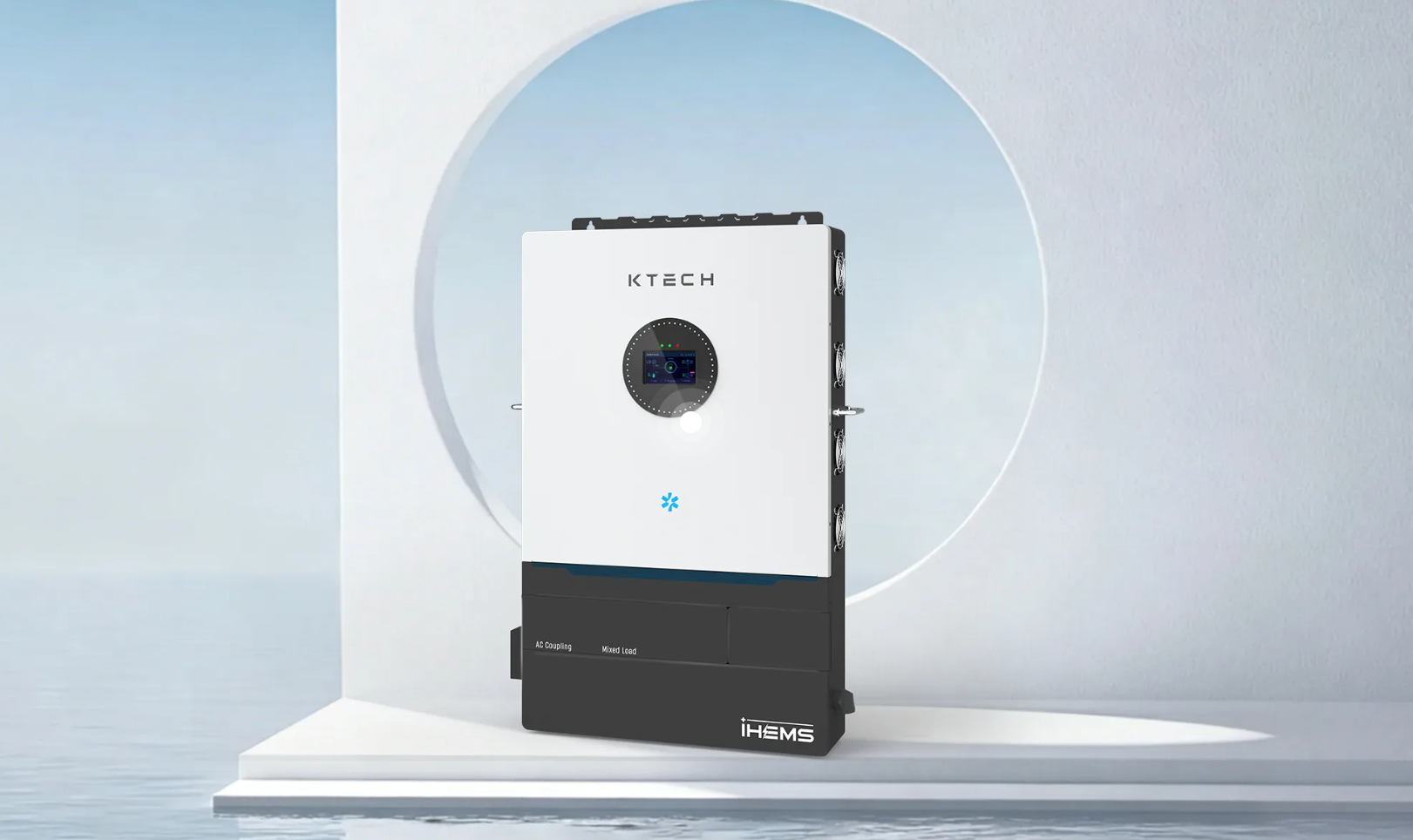
Comparative approach to begin
Please allow a brief, clear frame before you compare. Start by setting two lenses: long-term value and up-front cost. When you examine a hybrid inverter, note its warranty, conversion efficiency, and serviceability together, not separately. This comparative view keeps decisions practical and avoids surprise expenses later.
Which metrics should guide comparison
Compare these metrics side by side:- Initial purchase and installation cost; include permit and grid-connection fees.
– Rated round-trip efficiency and annual degradation rate; this affects energy delivered.
– Warranty length and scope; longer coverage often reduces lifetime risk.
– Mean time to repair and local service availability; fast repair reduces downtime cost.
– Compatibility with batteries and software updates; increases future value.
– End-of-life recycling or replacement cost; plan for disposal or second use.
Breaking down lifecycle cost with real numbers in mind
Do not focus only on sticker price. Lifecycle cost is: initial cost + maintenance + replacement risk − energy value produced. For quick reference, check current hybrid inverter price and then add estimated annual maintenance and a replacement contingency (for example, 10–15% of initial cost over 10 years). Multiply expected annual energy delivered by local retail electricity price to estimate avoided cost. This arithmetic gives a comparable cost per delivered kWh.
Market example that shapes price and choices
Consider a market with strong rooftop adoption, such as Australia. There, intense competition and high customer expectations have pushed suppliers to offer more features at tighter margins, which directly influences how manufacturers set hybrid inverter price and service terms. This real-world pressure makes it easier to find competitively priced units with reasonable warranties—but also requires careful specification checks.
Common mistakes to avoid when comparing
Watch these pitfalls:- Comparing nominal efficiency numbers without considering degradation.
– Ignoring firmware and remote monitoring costs that appear after installation.
– Assuming longer warranty equals full coverage; read exclusions.
– Overlooking local service latency; a cheaper part overseas may cause long downtime.
Quick alternatives and how they change the comparison
If you consider a string inverter or a dedicated battery inverter, ask: does the device support your battery chemistry, and what are the incremental control and software costs? String inverters may be cheaper initially but can raise balance-of-system expenses for battery coupling. A hybrid design usually simplifies integration and lowers project complexity, which often improves lifecycle value for systems with storage.
Synthesis and practical recommendation
Compare consistently: same horizon, same energy price assumption, same maintenance plan. Use the lifecycle arithmetic described above and prefer options that reduce downtime and simplify future upgrades. For straightforward, service-minded sourcing and specification support, a supplier with clear technical documentation and local response capability helps you realize the projected lifecycle value, as I have seen work well with projects managed through Ktech.