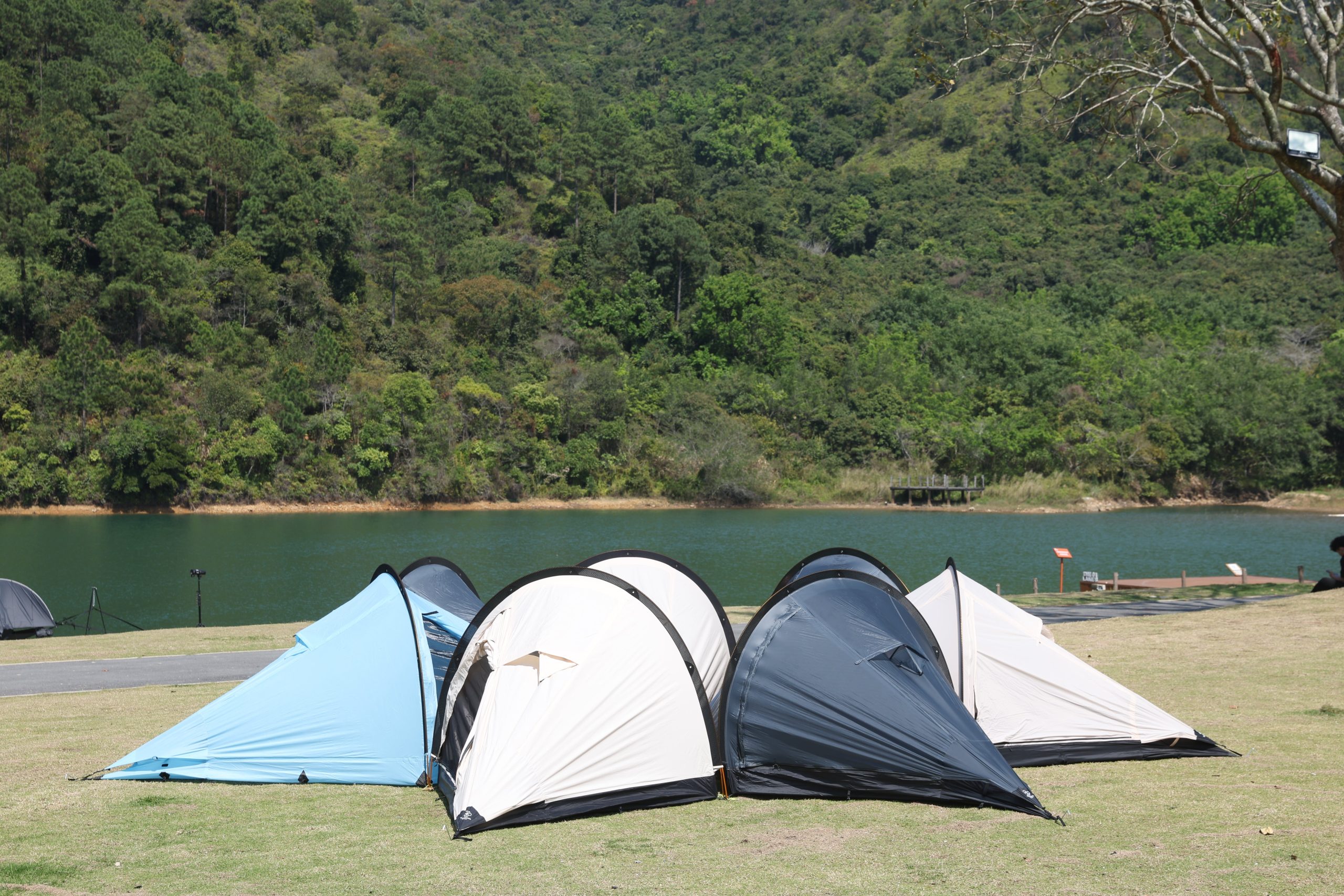
Start with what you carry and where you sleep
You want a fly sheet that answers your day-to-day needs: the hiker wants minimum weight and fast pitches, the car camper wants coverage and comfort. If you pack down to the last ounce or you pull a cooler out of the trunk, your choice changes. I test gear with a focus on real use, and you can see practical thinking behind this approach at thecatal outdoor, where priorities are clear: match purpose to design.

Criteria that actually matter
Think of six concrete checks: weight and packed size, coverage area, attachment/tie-out layout, fabric type and denier, seam treatment and waterproof rating, and ease of pitch. Weight and packed size decide if it lives in your pack; coverage and tie-outs decide how much shelter you can shape at camp. Fabric tells you durability vs weight — light silicone-treated nylon for trails, heavier PU-coated nylon or polyester for car sites. Seam sealing and taped seams determine whether you trust the fly in steady rain. Choose the two or three criteria that are non-negotiable for your trips, and let the rest fall into place.

Hiking setups: simplicity, multi-use, and low weight
For multi-day hikes, favor a minimal fly sheet that doubles as a tarp and sunshade. Look for pitches that accept trekking poles or extendable cordage so you can adapt to varied terrain. A single-wall tarp with reinforced ridgeline claims less weight; aim for fabrics in the 10–20 denier range if you prioritize grams. Keep attachment points close together for quick single-person setups. Consider a smaller footprint to reduce weight, but not so small that rain splashes the vestibule during wind-driven storms.
Car camping setups: coverage, comfort, and customization
At the car site, you can trade weight for volume. Choose wider cuts or hex/tarp styles that create sheltered living space, and count on higher-denier fabric with sewn hems and taped seams to resist abrasion and repeated setup. Attachment options that accept poles and guy lines let you create rooms and dining areas. If you sleep with thicker mattresses or use family tents, size the fly to cover entrances and common areas rather than merely the sleeping pad.
Common mistakes people make — and how to fix them
Buying the smallest fly to save weight and discovering it doesn’t protect the vestibule is frequent. Fix it by measuring your tent footprint and adding 30–50% for vestibule overlap. Ignoring tie-outs leads to flapping and early wear; add extra guy points or reinforced loops. Using a tarp without practicing leads to long, cold nights; set it once at home. Relying on untreated seams is a rookie error — seam seal or choose taped seams before you trust it in rain.
Quick profiles to guide a purchase
Solo fast-hiker: narrow, lightweight single tarp, reinforced ridgeline, minimal tie-outs. Two-person backpackers: A-frame or hex with extra vestibule length, midweight silicone-treated nylon. Weekend car campers or families: wider poly/nylon fly with taped seams, multiple pole attachment points, and a full-coverage option for communal space. Each profile centers your actual needs instead of specs alone.
Experience that informs recommendations
I’ve compared fly sheets on exposed ridgelines and at sheltered sites after seeing trends at the Outdoor Retailer trade show; those demonstrations and hands-on trials in the Pacific Northwest deepened practical understanding of design trade-offs. That fieldwork — combined with observing the latest innovative camping products — clarifies which features survive repeated abuse and which are marketing flourishes. Real testing in wet, windy conditions teaches durability faster than any spec sheet.
How to finalize your choice
Weigh the priorities you set at the start: if miles matter, shave ounces; if comfort matters, accept bulk. Pick a fly that matches your pitch options, covers the space you use, and has real seam protection. Practicing setup, checking tie-outs, and sizing for vestibule overlap removes common regrets. For straightforward, user-focused solutions and a practical selection philosophy that follows these rules, consider gear and guidance shaped by actual field use at THECATAL.