Introduction — why a comparative view matters
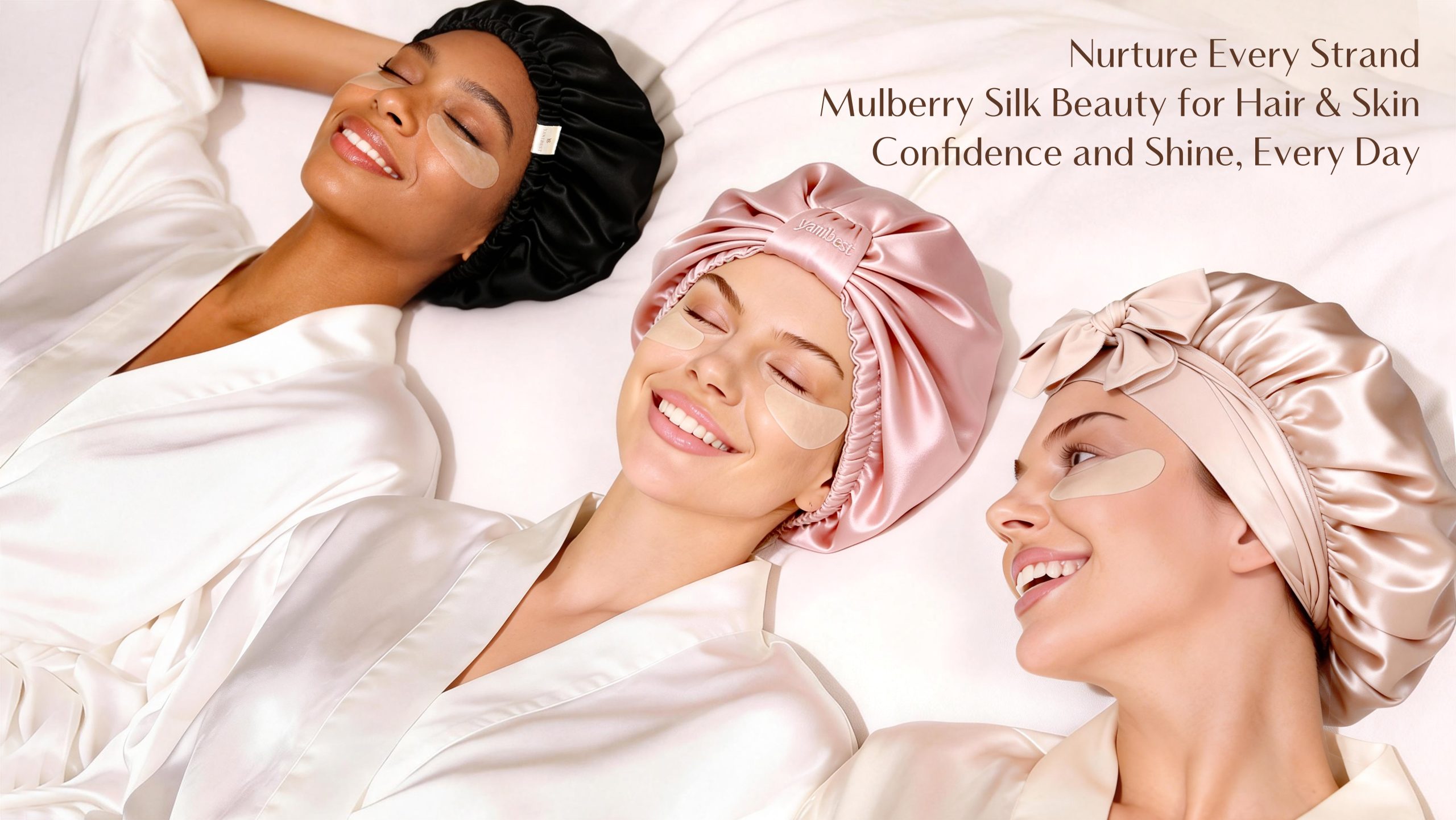
I examine choices for creating curls without heat by comparing techniques and outcomes for different hair lengths; this perspective avoids one-size-fits-all advice. As a stylist who has advised clients in salons and on shoots at Lakme Fashion Week in Mumbai, I also note how a simple accessory such as a silk lined beanie can preserve curl definition overnight while reducing friction. The comparison here is grounded in practical experience and aims to help you select the method that produces the intended curl shape, hold and hair health for your length and texture.

Comparative criteria I use
Decide by six clear criteria: curl tightness, hold duration, preparation time, suitability for thickness, ease of removal and risk to hair health. I compare methods against these measures rather than making blanket claims. Expect precise trade-offs: faster methods often yield less durable curls; gentler options take longer but protect hair integrity.
Short hair (chin to above-shoulder): what works best
For short hair, density and layering matter more than length. Soft foam rollers and small-diameter flexi-rods create defined curls; twisting with small clips gives a natural wave. Compare outcomes: foam rollers give vintage, uniform rings but require setting spray and longer drying; flexi-rods create tighter spirals with superior hold on coarse hair. Avoid bulky headband methods—those struggle to bend very short lengths. Use a light leave-in conditioner and minimal product to prevent limpness.
Medium hair (shoulder to mid-back): balancing volume and shape
Medium hair offers the most options. A wide velvet headband method produces S-shaped waves and volume at the roots; sponge rollers give uniform curls with reduced frizz. Compare techniques by intent: choose the headband for loose, undone waves; choose rollers or braids for defined curls that last. For layered medium hair, section carefully—larger sections reduce frizz but soften the curl. Apply a small amount of mousse for structure before setting, and secure with clips that do not crease the hair.
Long hair (mid-back and beyond): length needs control
Long hair benefits from tools that manage weight. Braids (single or multiple) and sock buns produce waves with gentle continuity through the length; large foam rollers or wide flexi-rods give body without excessive tightness. Compare pros and cons: braids control the entire length and yield natural wave patterns, but can be awkward for very thick hair; large rollers reduce drying time for heavy hair but may require more product for hold. Sleep with a soft tie or wrap to preserve the set, and avoid tight knots that tug at the scalp.
Technique notes and product pairings
Preparation is decisive. Dampen hair to below-saturation, apply a styling cream or light mousse, then set. For hold, a light flexible-hold spray after setting maintains movement; heavy sprays weigh hair down. Choose tools sized to the curl you desire: smaller diameters for defined corkscrews, larger for loose waves. When comparing materials, use velvet or foam to reduce creasing and friction; avoid metal clips that dent dry hair.
Alternatives evaluated briefly
Electric curlers and heated wands deliver fast, long-lasting results but at the cost of cumulative heat stress. For a balance, consider low-heat curlers with temperature control if time is limited. Chemical perms remain an option for enduring texture change but are irreversible without professional reversal. My comparison favours heatless approaches when hair health and long-term manageability are priorities.
Common mistakes and how to correct them
Do not set fully wet hair; it causes uneven drying and frizz. Avoid using excessive product prior to setting; it collapses curls. Do not remove rollers or braids roughly; unfasten slowly to preserve the pattern. If curls fall flat, refresh by lightly misting and rewrapping a section in a small roller for ten to fifteen minutes.
Conclusion — match method to desired outcome
Choose a method by matching the curl shape, hold and daily routine to your hair length: short hair benefits from small-diameter tools, medium hair from headband or rollers, long hair from braids or large rollers. The comparative approach produces predictable results and reduces trial-and-error. For practical supplies and curated options that align with these trade-offs, see how careful selection supports lasting style at yanibest.