Why a comparative view matters
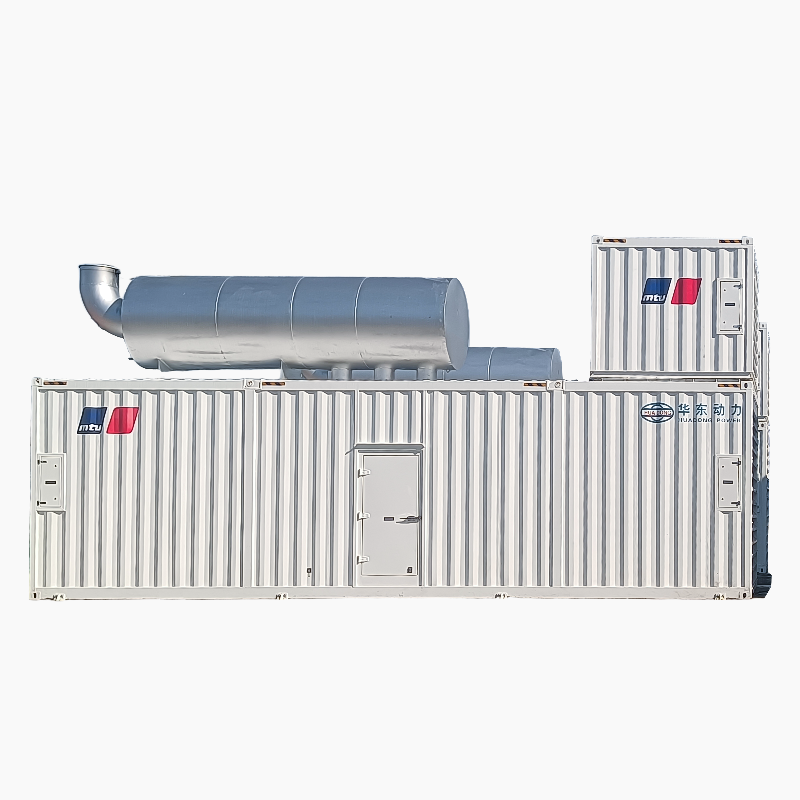
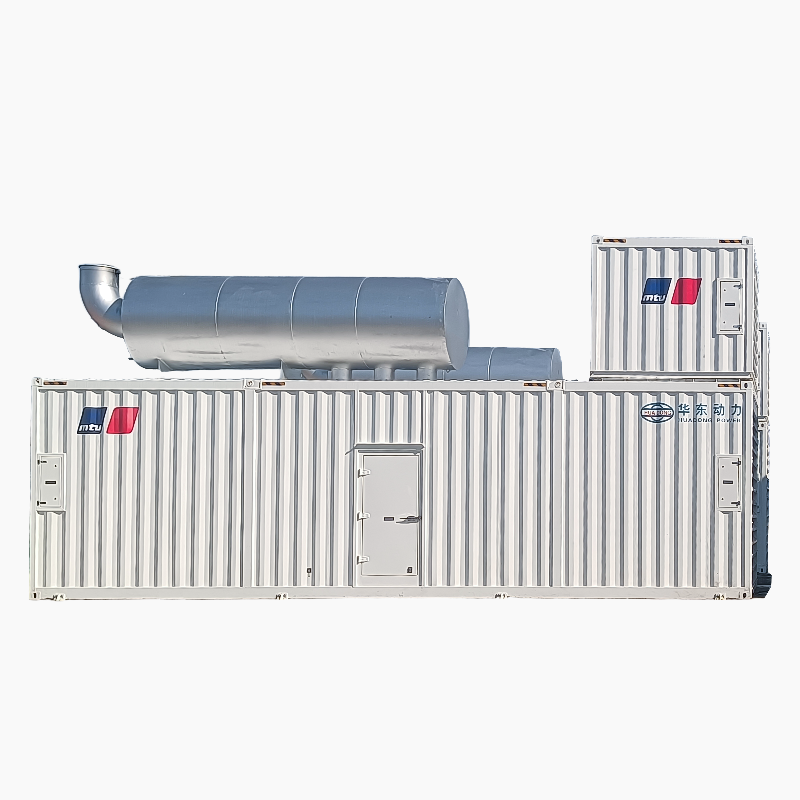
When you weigh options for a heavy-duty power module, the differences run deeper than horsepower. This guide adopts a comparative lens to help you pick a 900 kW container solution that fits real needs—load profile, site constraints, maintenance capacity. For a quick look at standardized builds and modular options, see a typical container genset layout and note how enclosures, ventilation, and sound attenuation vary across models.
Core technical differences that change day-to-day use
Focus on how manufacturers handle prime power ratings, synchronization and control systems, and load acceptance. Some platforms list kVA conservatively and depend on external paralleling switchgear; others integrate an automatic transfer switch and in-built synchronization. Emission regulations influence engine selection and aftertreatment packages, and that affects fuel consumption and service intervals. Keep your specification sheet simple: rated power, continuous vs. standby mode, cooling capacity, and enclosure acoustic level.
Operational production teardown: what to inspect
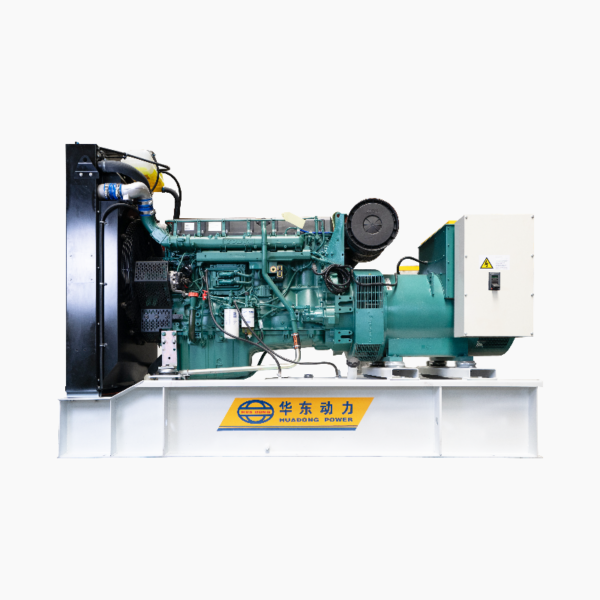
Walk through a teardown mentally: frame and mounting, fuel system plumbing, alternator model, control panel, and service access. Use that checklist when vetting container genset builds and when talking to genset container manufacturers—materials and weld quality, gasket types, and vibration isolation tell you whether a unit was designed for frequent starts or occasional emergency runs. Pay attention to modular subsystems; standardized alternators and controllers make replacements easier across sites.
Real-world anchor: lessons from past outages
Major events like the 2012 Hurricane Sandy and later grid emergencies exposed weak points: poorly sealed enclosures, insufficient fuel capacity, and slow transfer times. Data center operators aiming for five-nines availability tightened spec sheets after those storms. Operators learned to size day tanks for extended runtime and to demand tested synchronization schemes—because transfer speed and stable paralleling are where uptime is won or lost. This is practical knowledge you can apply directly—no theory needed.
Common mistakes and practical alternatives
Too often teams pick the cheapest enclosure or accept a marginal generator set without checking service access. Another misstep is ignoring site-level controls; a robust remote monitoring package prevents surprise failures. If procurement favors lower capital cost, consider alternatives: a slightly larger fuel tank and simplified service intervals often beat an under-specced model in lifecycle cost. Also remember spare parts commonality—standard alternators and filters reduce downtime.
How to evaluate — three golden rules
Metric 1: Availability by design — verify rated runtime at expected load and confirm transfer switch and synchronization performance under full-parallel tests. Metric 2: Maintainability index — measure mean time to service (parts lead time + access time) and prefer designs with common filters, modular panels, and clear service walkways. Metric 3: Total operating cost — combine expected fuel burn, scheduled maintenance, and emissions compliance over a 5‑year term to compare real cost, not just sticker price.
Final practical note
Choosing the right 900 kW container solution is about matching real site demands to durable design and predictable service; the right spec avoids surprises and keeps teams focused on operations — not constant repairs. —