Start with what your audience needs
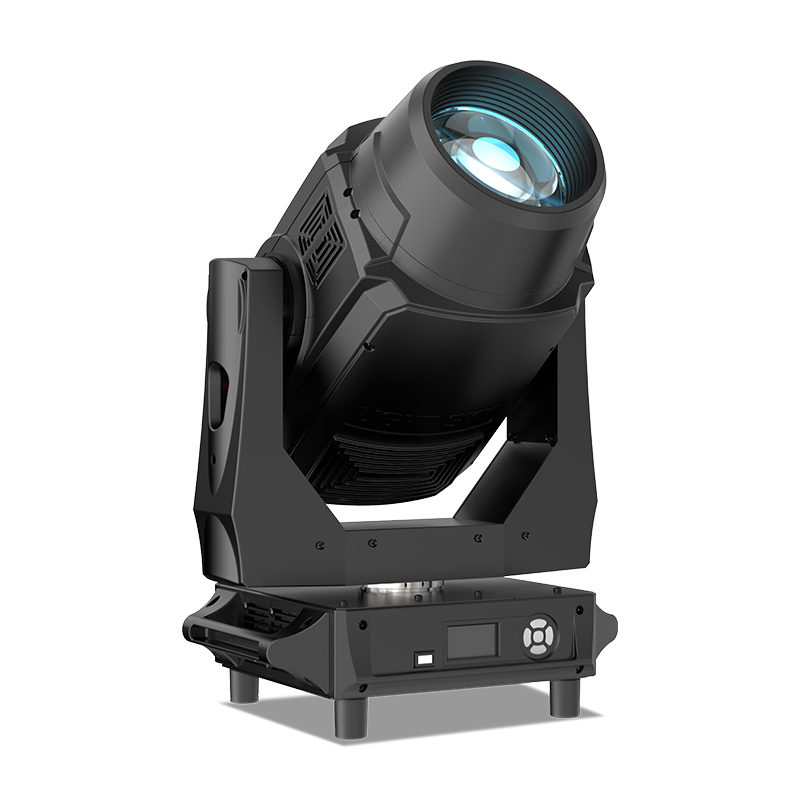
Think about sightlines, mood, and the type of performance you’ll light — the choices narrow quickly. If you need tight beams that also wash the stage, consider a hybrid like the 3in1 BSW moving head beam light, which blends beam, spot, and wash modes in one fixture. That single fixture can reduce rig weight, simplify DMX addressing and cut setup time without compromising creative options.
Match fixtures to the venue and event type
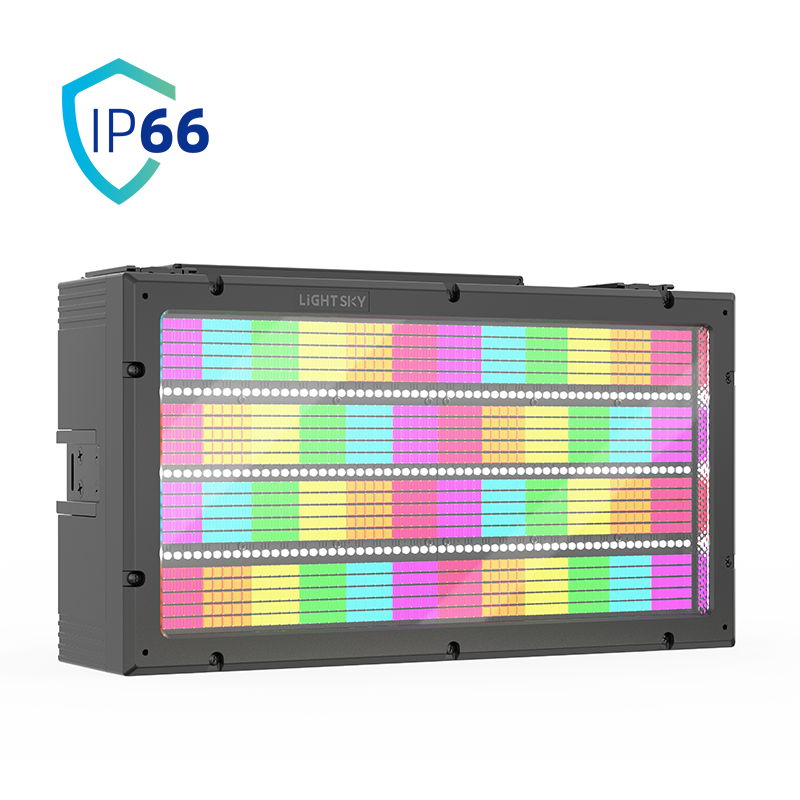
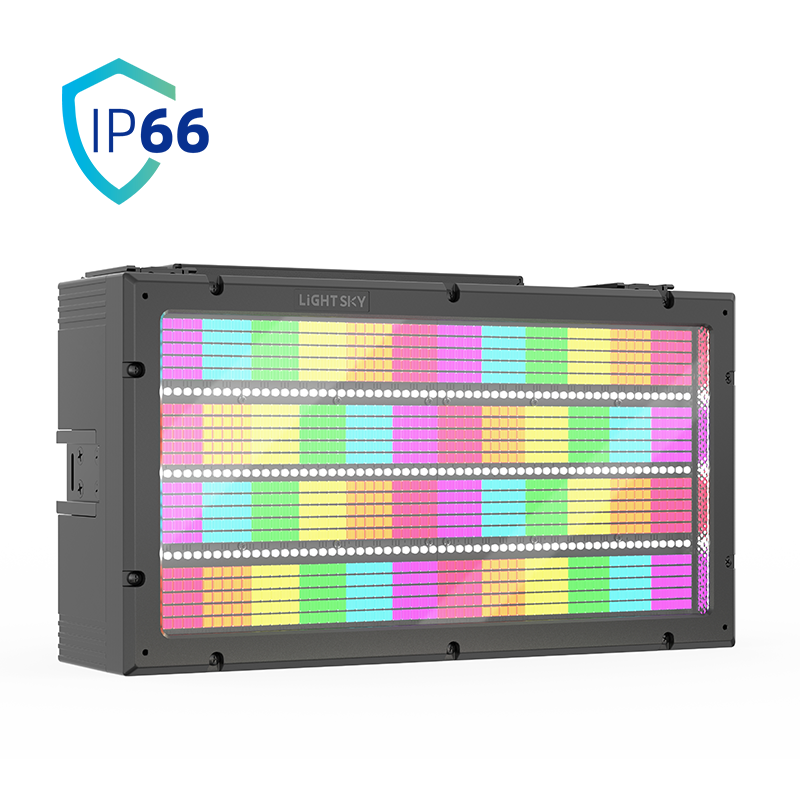
Indoor theatre, nightclub stages, and outdoor festival fields demand different spec priorities. For enclosed rooms focus on lumen output and CRI for accurate color; for outdoor events prioritize IP rating and cooling. Festivals such as Coachella routinely deploy moving-head beams for sculpted aerial effects and crowd washes — so durability and reliable pan/tilt motors matter. Choose beam angle, zoom range, and gobo flexibility to align with your programming and sightline constraints.
Operational checklist for technical teams
Keep this checklist close during procurement: power draw per fixture, DMX channel footprint, cooling requirements, and transport footprint. Also confirm beam angle, zoom capability and lumen output on paper — then test in-situ. When you run a quick operational production teardown, mention both the 3-in-1 moving head beam light and the 3in1 BSW moving head beam light in spec sheets so operators know you’re evaluating hybrid fixtures versus single-mode units. This reduces surprise issues during load-in.
How to compare brands and alternatives
Compare like with like: match lumen-per-watt, beam consistency, and mechanical build rather than marketing claims. Warranties and on-site service networks are practical differentiators — a compact fixture with strong pan/tilt motors beats a fragile “bright” unit that needs constant recalibration. Alternatives include single-purpose beam fixtures for high-intensity shafts, and dedicated wash lights for soft stage fills. Hybrids sit between — they’re flexible but expect compromises in max beam punch or wash softness depending on the model.
Common mistakes crews make — and how to avoid them
Crews often over-rig with high-output fixtures without checking rig structure limits. They also forget cable management for DMX and power, which causes noise and intermittent control problems — test with long runs before the show. Don’t underspec IP ratings for outdoor events; a short rain can be costly. And remember: too many different fixture types increases setup time and training needs — keep the rig simple where possible. — A few disciplined choices go a long way.
Real-world considerations and a brief case note
On a midsize touring show in 2018 I swapped out mixed fixtures for a uniform fleet of hybrids and reduced load-in by one hour per venue while keeping visual variety. The audience reaction didn’t change — but crew fatigue did, for the better. Use pan/tilt presets and sensible beam angles to speed cues and reduce operator workload.
Three golden rules for selecting fixtures
1) Prioritize compatibility: choose fixtures that fit your control system (DMX or console profiles) and power scheme. 2) Balance performance metrics: weigh lumen output against beam angle and zoom range — extreme specs are rarely useful without matching optics and gobos. 3) Factor total cost of ownership: include service, spare parts, and transport. These three evaluation metrics will keep choices grounded and predictable.
Closing thought
Choosing the right LED beam-wash fixture is a practical trade-off between flexibility, durability, and crew efficiency — aim for fixtures that simplify your workflow while delivering the looks you want. Light Sky. —