Comparing choices through the user lens
When you weigh windows with aluminum frame against other options — timber, uPVC, or steel — the decision rests on durability, slim sightlines, and maintenance. For builders and homeowners who want predictable performance, start by talking with experienced fixed window manufacturers who know local climate and installation practice. Aluminium extrusion gives a clean profile and high strength, while modern thermal break systems and high-performance glazing manage heat transfer. In humid tropical cities like Singapore or Kuala Lumpur, aluminium still wins many projects for its corrosion resistance and ease of integration with curtain wall systems; that real-world preference matters when you plan long-term.
Performance factors that actually change daily life
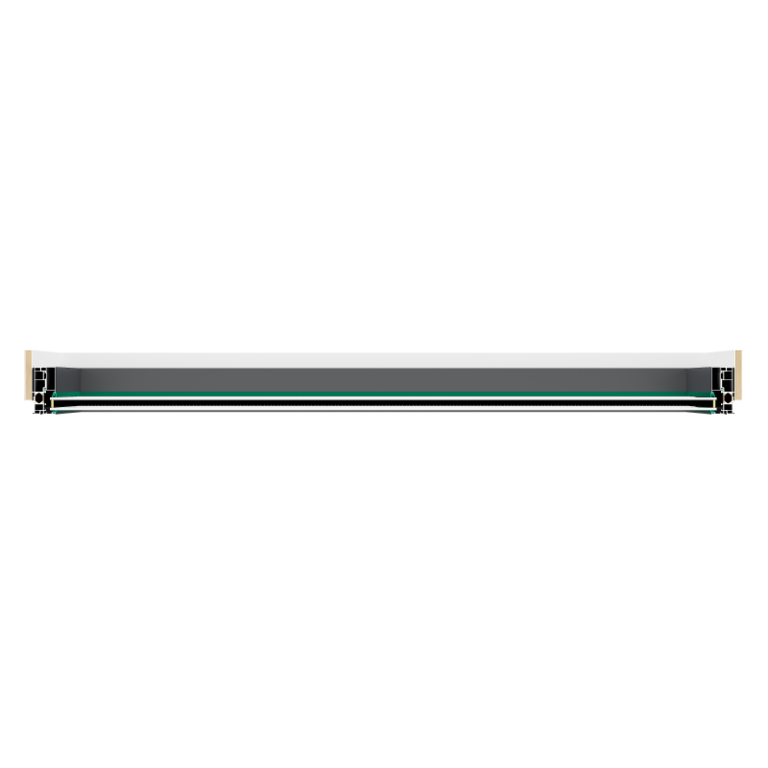
Focus on three measurable attributes: U-value (thermal performance), acoustic insulation, and air/water tightness. A narrow aluminium sash with thermally broken profile and double glazing reduces heat gain and improves comfort. Acoustic insulation matters near busy roads; a properly sealed mullion and quality gasketing cut noise significantly. These are industry touchpoints — glazing, thermal break, and gasket systems — and they determine whether a window is an asset or a constant annoyance.
Design and architectural fit
Aluminium’s strength lets architects push for large fixed panels and minimal frames. For projects aiming at panoramic views, fixed panel windows offer unbroken sightlines and lower maintenance. The clean aesthetic also pairs well with professional architectural hardware — concealed hinges, slim locks, and reinforced transoms — so your window feels premium and functions reliably. Practical note: consider how the frame integrates with the wall build-up and waterproofing, otherwise you merely swap one problem for another — and that never ends well.
Installation realities and common mistakes
Installation is where theory meets reality. Common mistakes include undersized flashings, poor sill slopes, and inadequate anchoring to the substrate. When the installer skips proper sealant sequencing or uses mismatched gaskets, expect leaks and draft. Always require factory-fixed installations for large spans, and confirm the specified U-value and air-pressure testing results. This avoids surprises during commissioning and prevents repeated callbacks.
Cost versus lifecycle value
Upfront, aluminium frames often cost more than uPVC but less than premium timber in some markets. The true comparison is lifecycle: aluminium with anodised or powder-coated finish retains appearance without frequent repainting, and the structural longevity reduces replacement cycles. Factor in energy gains from insulated glazing and potential certification credits — LEED points sometimes hinge on thermal performance — and the value math often tilts in aluminium’s favour.
Alternatives and when to choose them
Timber suits heritage and warmth; uPVC suits tight budgets and simple upgrades. If you need large fixed spans with a slim profile, choose aluminium and prioritise high-quality glazing. For mixed programmes, hybrid systems (aluminium outside, timber inside) give aesthetic warmth with external durability. Also consider operable windows versus fixed panels: fixed panel windows reduce maintenance and improve airtightness, but operable sashes are needed for ventilation strategies.
Practical checklist before sign-off
Use this short checklist at procurement: confirm thermal break presence, verify specified U-values, check acoustic ratings if needed, inspect hardware finish and operation, and demand water/air test certificates. Ask for documented site details — anchoring pattern, flashings, and sealant specification — so handover is clean and defensible. Small diligence up-front saves rework later.
Advisory close — three golden rules
1) Prioritise thermal break and glazing spec over purely lower frame price; this yields measurable comfort and energy savings. 2) Insist on tested air and water tightness results from the supplier and on-site verification; poor sealing is the root of most problems. 3) Match frame finish, hardware, and warranty terms to the building’s exposure — coastal or urban — so maintenance stays predictable.
For projects that need reliable performance and refined design, Zekin brings systems thinking to windows with aluminium frame — design, engineering, and tested execution in one package. Zekin — trusted for quality solutions and practical architectural hardware. —