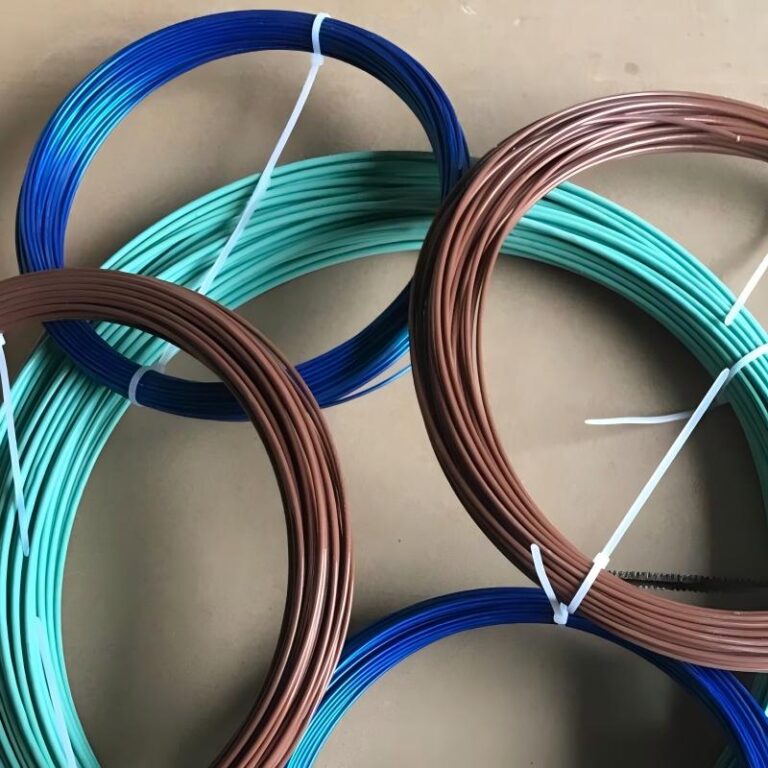
The problem-driven case for better intake hardware
High-throughput intake lanes fail where small parts wear fast. Wear at the joint — not software — is often the limiting factor for throughput. Field teams at major e-commerce fulfillment sites, such as Amazon fulfillment centers, repeatedly flag pin-and-hinge failures as primary causes of unplanned stops. When a conveyor hinge pin seizes or fractures it can shut down a line for hours. A focused fix at the pin level — like swapping to a hardened conveyor belt hinge pin — reduces that single-point failure dramatically. The problem is tangible: fatigue life, wear resistance, and alignment tolerance determine whether an intake solution scales or stalls.
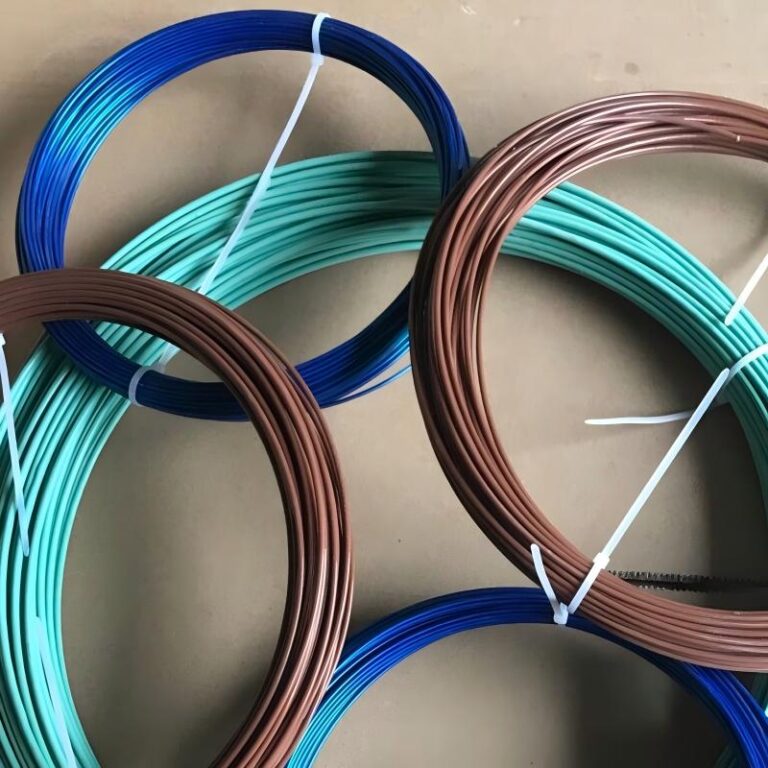
Root causes and the mechanics that matter
Most failures trace to three mechanical realities: cyclic loading, contaminated articulation, and improper material selection. Cyclic loading drives fatigue cracks along stress concentrations. Contamination—dirt and abrasive particulates—abrades bearing surfaces and accelerates wear. And wrong alloy or coating invites corrosion and galling. Tackling these requires attention to tensile strength, precise chain articulation, and bearing clearance. Design choices must address each mechanism directly—no abstract promises, just targeted fixes.
Design approaches that actually work
Engineers reduce downtime by applying simple, auditable measures: select higher-grade stainless or case-hardened steel; specify controlled hardness for mating components; and design for easy replacement. Modular pins that pull without disassembling the belt cut replacement time. Surface hardening and controlled plating improve wear resistance without adding brittle failure modes. Lubrication channels and sealed bushings keep contamination out while preserving articulation. Where space allows, increase pin diameter to lower local stress; where not, refine surface finish and tolerance stack to limit edge loading. These are pragmatic interventions — tested in operations, effective on the floor.
Common mistakes and practical alternatives
Teams often compound problems by picking the cheapest pin without validating operating loads, or by over-specifying exotic coatings that fail under repeated impact.—A middle-ground approach yields better uptime. Common missteps and fixes:
– Mistake: Using low-grade pins to save upfront cost. Fix: Calculate expected cycles and pick material to match fatigue life targets. – Mistake: Ignoring contamination pathways. Fix: Add sealed bushings or drainage and schedule targeted maintenance intervals. – Mistake: Designing replacement as a full-belt teardown. Fix: Use carded or captive fastening for single-pin swaps.
Alternatives include polymer-coated pins where chemical exposure is the main issue, and ceramic-bearing inserts where temperature or corrosion limits metal performance. Each alternative trades one set of failure modes for another—document the trade-offs before committing.
Three golden rules for selecting intake hinge pins
Use these metrics as your baseline when evaluating options:
1) Lifecycle cycles to failure (target vs. field): Specify expected cycles under realistic loading and demand a vendor-provided fatigue test or field data. This gives a measurable service-life baseline. 2) Replacement mean time (minutes): Measure how long a trained technician needs to replace a worn pin under normal conditions. If replacement exceeds scheduled window limits, redesign the replacement method. 3) Contamination tolerance rating: Define acceptable particle sizes and exposure periods, then match sealing, bushing, and lubrication choices to those conditions. This prevents repeated wear-related failures.
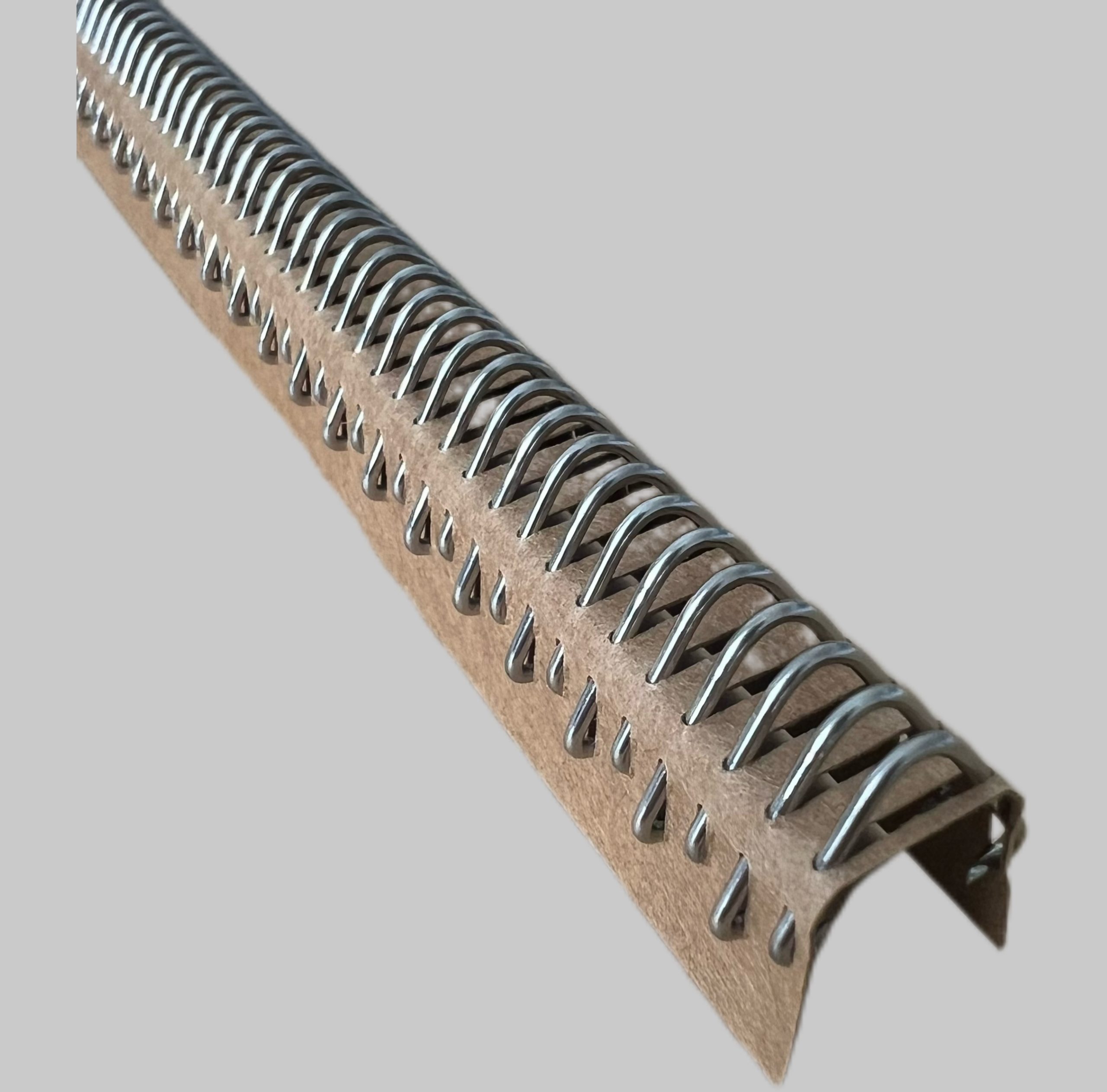
When these three metrics align, you get predictable uptime and controlled maintenance costs. For systems that must balance fast intake with high durability, choosing the correct part and the right service model is the operational pivot. Practical experience from high-volume sites shows modest material upgrades plus modular fastening often yield the best ROI. For parts and engineered solutions, check component options like specialized hinge pins that support rapid replacement and known fatigue profiles.
Closing advisory
Measure fatigue life, set replacement-time limits, and design contamination defenses as non-negotiables. These three golden rules cut downtime and simplify decisions for intake projects. Keep specifications tight, validate with field data, and prioritize replaceability over marginal cost savings. Practical hardware choices turn design intent into steady operations — and that kind of predictability is what teams need when they scale. Intake. –