Introduction: A Workshop Moment That Changes Everything
I was under a low shelf, knees dirty, staring at a stubborn bolt when the idea hit me — safety is not optional. In many plants and field sites a non sparking adjustable wrench is the go-to tool when flammable vapors or dust are present; it’s the small change that can prevent big trouble. Recently I tracked three near-miss reports at a mid-size shop where simple hand tools were involved; two of those incidents had a spark risk element. So what really makes one tool safer than another, and how do we pick the right one under pressure? (Think clear steps, quick wins.)
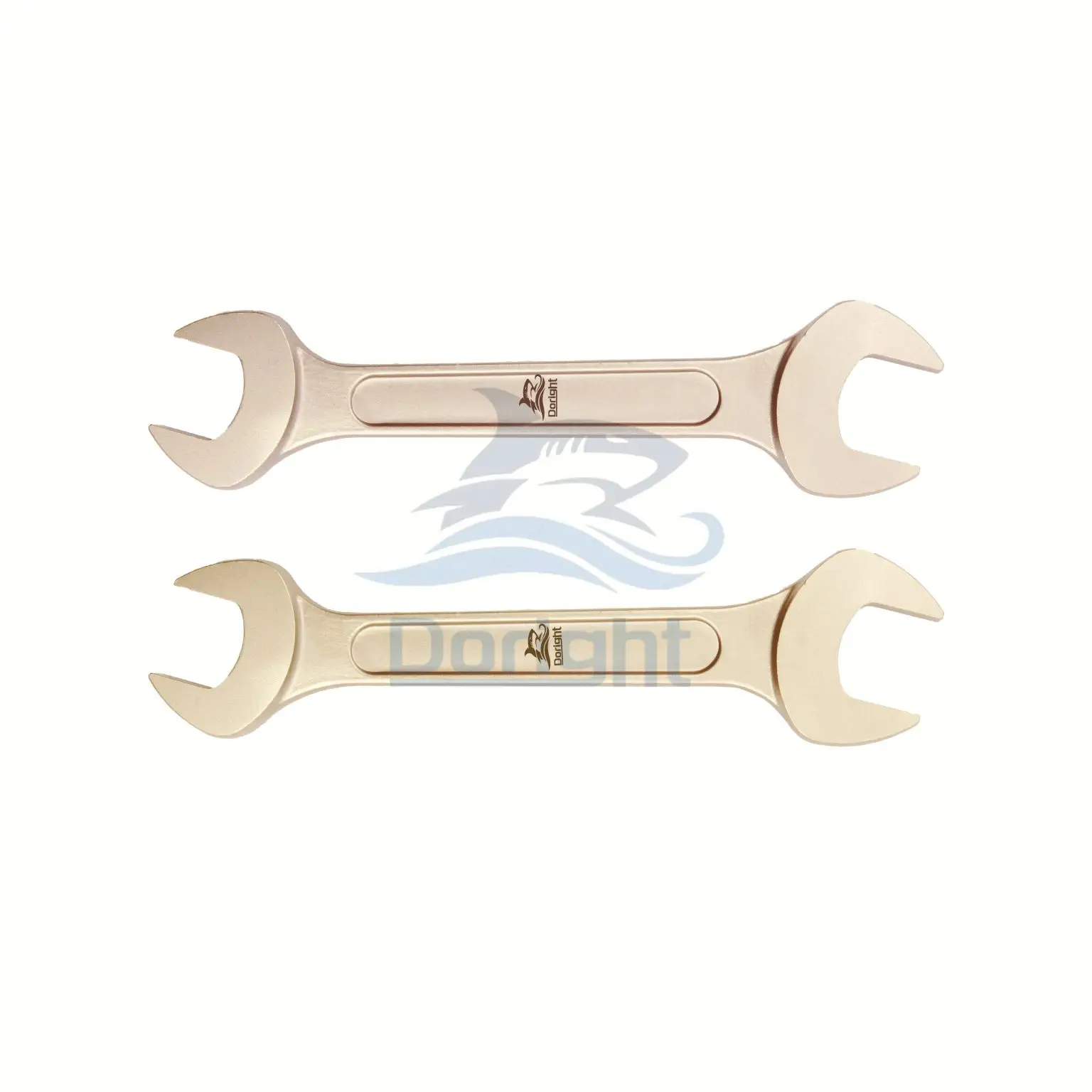
We’ll unpack this like a coach: short drills, real measures, repeat until it’s habit. I want you to walk away with practical comparisons, not just specs. Let’s move into the details and see where the common advice holds up — and where it doesn’t.
Deep Dive: Where Traditional Fixes Fall Short
Why do common fixes fail?
I’ll start bluntly: many shops rely on looks and weight when choosing a non sparking adjustable spanner, and that’s a weak filter. In my experience, visual checks miss alloy composition, surface treatment, and how a tool handles static discharge. These are not academic points — they affect torque control, wear rate, and safety in hazardous zones. Look, it’s simpler than you think: a tool that feels right in your hand can still be wrong for a classified area.
Technically, the failure modes include metal galling, incorrect hardness, and poor fit that leads to slippage. If a wrench slips, it can cause a sudden release of energy — enough to generate a spark on an impact. I watch teams replace tools based on price alone and then wonder why they see pitting or unexpected conductivity. We should be checking for non-sparking alloy composition, surface finish, and torque rating — not just brand name. — funny how that works, right?
Looking Ahead: New Principles and Practical Picks
What’s Next for safer tool selection?
Going forward, I favor a few clear principles over vague lists. First: match tool metallurgy to the hazard. Second: validate grip and jaw calibration under load. Third: insist on traceable certification for intrinsically safe claims. When we compare models of non sparking adjustable wrenches, these criteria cut through marketing. In practice, that means bench testing a sample with torque meters, checking for static buildup, and assessing corrosion resistance — simple steps that reveal a tool’s real-world performance.
Let me give a short case example: a refinery crew switched to a bronze-alloy wrench that passed all paperwork but failed in wet conditions due to surface corrosion. We swapped to a non-sparking alloy with an anodized finish and recalibrated maintenance checks. The result: fewer slips, more predictable torque, and a calmer crew. I’ve seen this pattern repeat — documentation alone isn’t enough. We need hands-on verification and routine checks (and yes, I mean right now).
To choose wisely, I suggest three practical evaluation metrics you can use on site:
1) Alloy verification: Confirm alloy composition and non-sparking classification with supplier docs and spot checks. Look for certifications tied to actual test methods.
2) Functional torque test: Measure jaw stability under rated torque. A tool that flexes or loses grip is a risk.
3) Environmental fit: Assess corrosion resistance and conductivity for your work conditions — wet, dusty, or electrically sensitive areas need different specs.
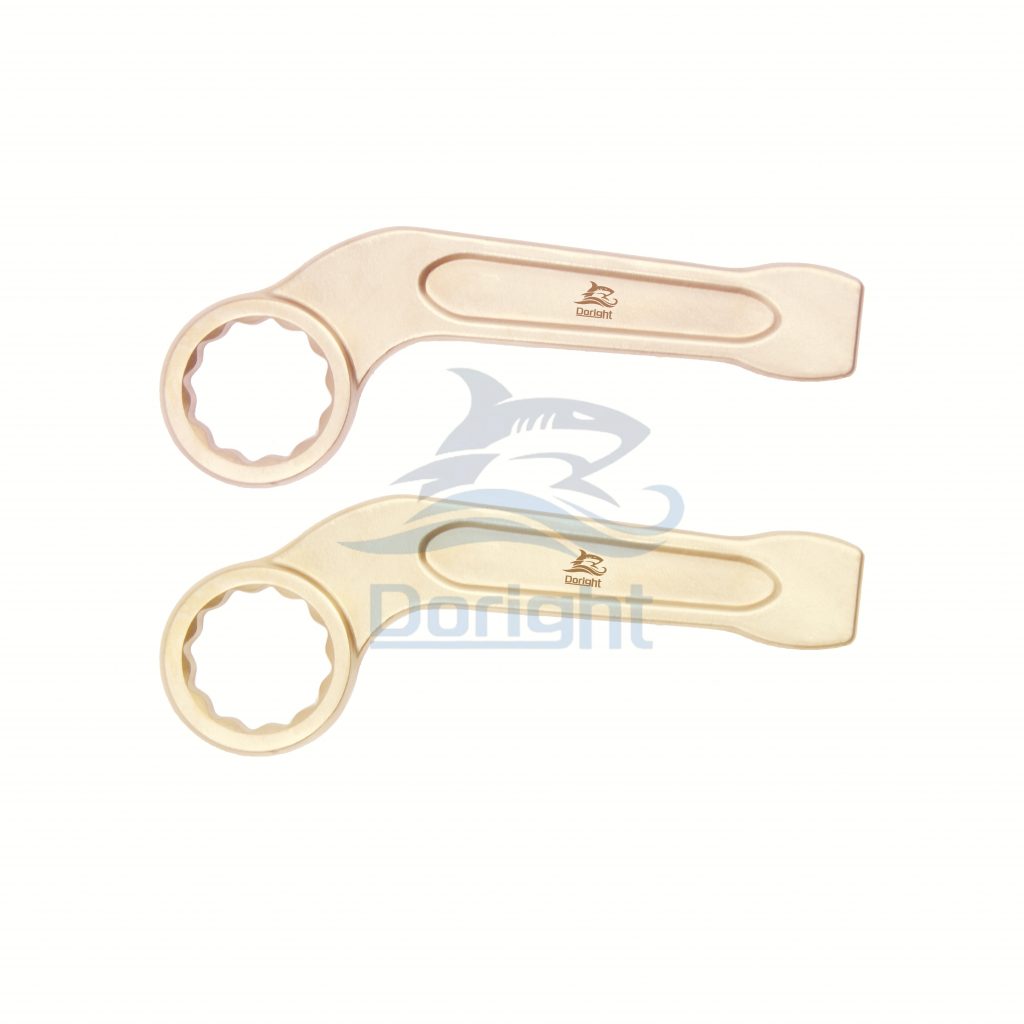
These metrics help you compare apples to apples and make choices that save time and lower risk. I’ve applied them across projects and they work. For compact supply and reliable backing, I often start my searches with vendors who document test results and support traceable audits.
We’ll keep learning and adjusting our checklist as materials and standards evolve. If you want to dig deeper into test methods or field protocols, I’m happy to walk you through a simple checklist we can use on your next job site. In the meantime, trust experience over labeling — it will pay off in safer shifts and fewer surprises. For practical sourcing and product details, check out Doright.