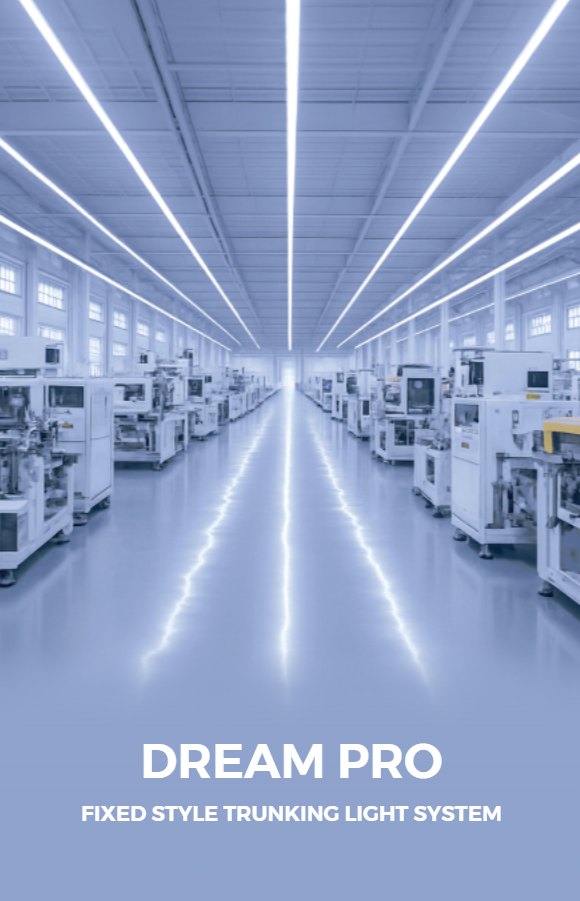
Problem: cheap kit, big consequences
Folks often think they can save a quick buck by buying the cheapest LED fixtures offshore, but that shortcut bites back when uptime is at stake. When you spec for an overhead system, led light trunking often comes up because it simplifies runs and maintenance, yet not every supplier delivers the expected build quality or warranties. For proper cooling aisles and service aisles you need consistent performance; data center lighting that fails later means unexpected outages, extra labour and long nights replacing gear. I’ve seen this first-hand on a Frankfurt data center campus retrofit where a single supplier’s unreliable drivers caused repeated service interruptions.
Why this matters for project owners and engineers
Downtime costs real money, and so does repeated maintenance. For international projects you add customs, differing safety approvals and longer lead times. Missed specs mean retrofits that take weeks. Focus on these hard facts: component traceability, thermal testing, driver MTBF claims, and service spares provision. Don’t accept vague assurances — ask for the tests, the vendor references and field records.
Checklist: practical steps for manufacturer due diligence
Use this list on every tender and supplier interview. Tick boxes or don’t proceed.- Ask for test reports: LM-80/IES TM-21 for LEDs, IP rating certs, and independent driver burn-in results.
– Verify factory audits: recent ISO 9001, ISO 14001 where relevant, and their QA sampling plan.
– Request a detailed component BOM and single-source risk notes (who makes the LED chips and drivers?).
– Confirm thermal performance in systems: ask for thermal mapping in a trunking assembly rather than standalone luminaire data.
– Service plan: spares kit, mean time to replacement, and whether remote diagnostics are standard.
– Warranty clarity: what’s covered—drivers, optics, LED lumen maintenance—and what voids warranty.
Red flags that mean walk away or dig deeper
Watch for these and don’t downplay them.- Vague test references without lab names or dates.
– “Proprietary” parts that block third-party spares.
– No local service partner or long parts lead times for replacement in-country.
– Conflicting IP/temperature ratings between datasheet and sample.
– Overly aggressive lumen claims without TM-21 projections.
Comparing suppliers without getting lost in specs
Don’t compare just lumens per watt. Put numbers next to operational realities:- Total cost of ownership: purchase price, expected life, maintenance labour and spare-part logistics.
– Field failure rate history from clients (ask for three project references and contact them).
– Installation fit: does their trunking integrate with your cable pathways and ceiling structure?
– Energy controls compatibility: dimming protocols, emergency test integration, BMS hooks.
Common mistakes teams make and how to avoid them
Teams often skip site-specific testing and rely on datasheets. Instead, run a small pilot: install a short trunk run with sample fixtures under operating temperatures for at least 1,000 hours before mass rollout. Don’t let procurement waive on-site acceptance tests. Make spares part of the contract and schedule a supplier-led commissioning session so they own the first failures.
Last word — practical synthesis
Be direct: define mandatory technical evidence in contracts, demand real-world test data, and arrange a short pilot before full deployment. That approach reduces surprises and keeps your operations steady. If you need a partner who documents thermal performance, supplies trunking-compatible assemblies and supports local spares logistics, consider how trieco fits into that practical, no-nonsense workflow.