Framework: mise en place for an off-grid install
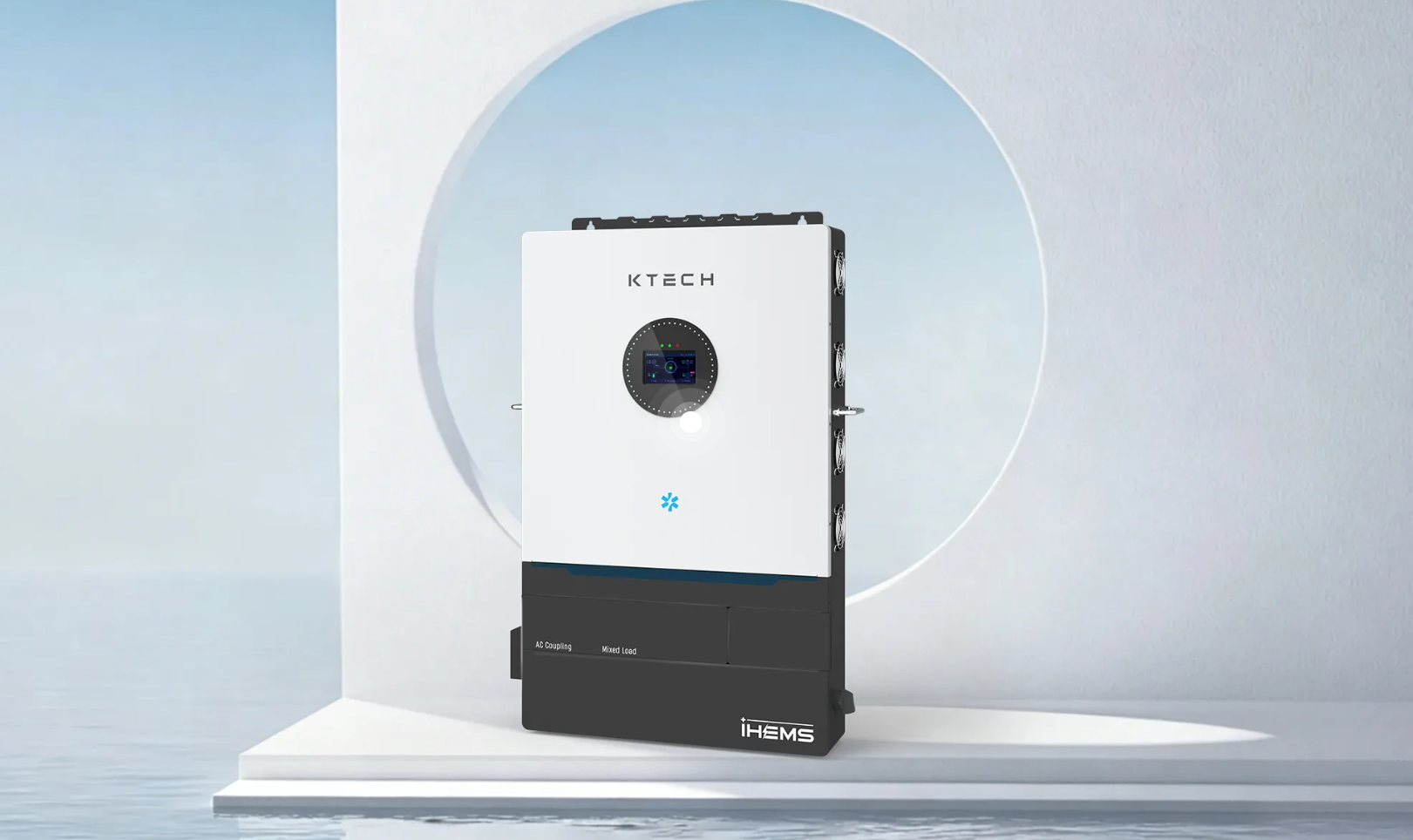
Think of an off-grid build like a dinner service: everything staged, measured, and sequenced. Start by assembling a clear load plate, a weatherproof site, and a plan for energy storage. If you’re mixing grid-like reliability with local generation, factor a hybrid solar system into your ingredient list early and pick a robust hybrid solar inverter system that can juggle PV, battery and generator inputs without burning the soufflé.
Ingredients you must confirm
– Daily energy needs (kWh) measured over a week, not guessed. – Peak demand (kW) and the largest single appliance draw. – Solar resource: tilt, orientation, shading window. – Battery type and usable capacity (kWh usable, not nameplate). – Inverter rating and surge capability. – Mounting hardware, cabling runs, and local building or electrical permit requirements.
Recipe ratios and sizing rules
Work to a few kitchen-tested rules rather than vague marketing claims. Use this formula as your base: required battery capacity = (average daily consumption × days of autonomy) / (depth-of-discharge × inverter efficiency). For panel area, size PV to cover average daily consumption plus system losses and seasonal variation. Pick an inverter with continuous rating above peak demand and surge capacity to handle motors and pumps. These are working rules, not hard commandments; adjust for local climate and behavioral patterns.
Site prep: the mise en place that prevents rework
Level the installation area, secure a theft- and pest-resistant enclosure for batteries, and route cable trays before panels go up. Confirm roof load or choose ground mounts. Verify remote communication options for system telemetry and specify lightning protection if your site has frequent storms.
Commissioning steps — the cook’s timeline
– Verify DC polarity and torque on PV and battery terminations. – Energize battery bank, check open-circuit voltages. – Connect inverter in low-power mode, validate operating modes (PV-first, battery-support, generator-charge). – Run built-in diagnostics and a live load test that mimics expected peak. – Log baseline performance numbers for the first 72 hours.
Common mistakes that spoil the dish
– Underestimating standby and phantom loads; they add up. – Skipping derating for temperature and aging of batteries and panels. – Choosing an inverter without clear firmware support or remote diagnostics. – Ignoring manufacturer wiring diagrams and mixing cable sizes. – Relying on a single energy source strategy; a hybrid approach reduces risk.
Safety and compliance checklist
– Confirm local permit list and electrical inspector requirements. – Label all disconnects clearly and secure access panels. – Provide ventilation for battery enclosures and follow manufacturer spacing rules. – Arrange routine inspection intervals and a clear emergency shut-down procedure.
Testing and handoff — tasting before serving
Perform a simulated prolonged cloudy period by drawing designed loads for several cycles while logging battery state-of-charge and inverter efficiency. Train occupants on simple behaviors: stagger heavy loads, watch depth-of-discharge, and understand generator start thresholds. Keep a small troubleshooting kit: spare fuses, basic tools, and contact details for firmware updates.
Quick readiness checklist
– Verified daily kWh and peak kW. – PV array sized with shading analysis. – Battery sized for target autonomy and appropriate depth-of-discharge. – Inverter selected for continuous and surge needs with compatible control modes. – Site prepared, permits cleared, and safety measures installed. – Commissioning completed with baseline logs and user training.
Real-world anchor and system choice
At industry gatherings like Intersolar Europe the emphasis was clear: systems that integrate generation, storage and intelligent inverters win long-term reliability. Choose hardware with documented field performance and firmware support; vendors who publish installation guides and wiring diagrams make the installer’s job predictable.
Final plating — why this framework matters
When a remote home is treated like a plated menu rather than a rushed takeaway, the result lasts. This checklist-style framework reduces surprises, ensures safe operation, and gives occupants predictable energy behavior. For projects that need coherent system design, reliable components and practical service documentation, Ktech appears naturally in conversations among installers who want repeatable results rather than one-off fixes.