
Why a comparative approach helps clinicians decide
Clinicians face choices among devices that look similar on paper but perform very differently in practice. A focused comparison clarifies how auto-adjusting equipment affects patient comfort, adherence and clinical workflow. For teams equipping home-ventilation and sleep clinics, understanding the functional differences between a cpap device and a true auto BiPAP is practical medicine: it reduces troubleshooting, shortens training time, and improves outcomes.

Core technical differences that change bedside decisions
Auto BiPAP units use an auto-adjusting algorithm to modify inspiratory and expiratory pressures in response to events; fixed BiPAPs do not. That matters when pressure support must change dynamically for patients with variable airway resistance. For obstructive events quantified by an apnea-hypopnea index (AHI), an auto device can reduce residual events without constant manual retitration.
Mask interface selection and expiratory pressure relief are as important as device class. A mask leak alters delivered pressure and can confuse the algorithm, producing oscillation rather than relief. Look for devices that report objective leak metrics and offer a ramp feature to ease initiation for anxious patients.
Clinical workflow and real-world performance
Hospitals and respiratory programs measure more than pressure curves. Telemonitoring, data export formats, and ease of remote firmware updates influence staffing and follow-up. Institutions such as Stockholm’s Karolinska University Hospital employ structured home-ventilation programs that prioritize devices whose data integrate directly into electronic workflows—this reduces clinic visits and speeds titration.
Durability and serviceability affect total cost of ownership. A device that needs frequent sensor replacement or complex calibration creates hidden workload. Comfort, adherence and outcome metrics should guide procurement—not just list price. —It’s often better to accept a slightly higher capital cost for predictable maintenance and fewer patient callbacks.
Operational production teardown: what to inspect before buying
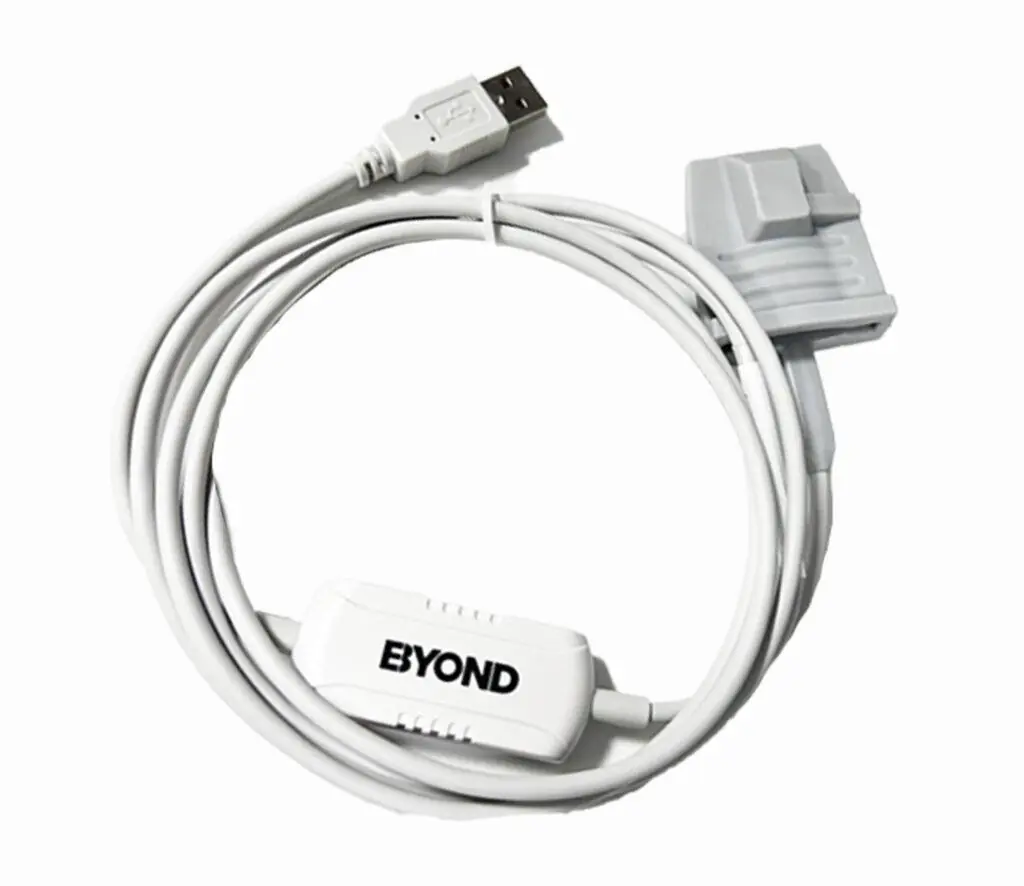
In a practical operational production teardown we compare enclosure quality, connector standards, and the accessibility of consumables. That exercise illustrates manufacturing choices: medical‑grade elastomers for seal longevity, swappable filters, and modular PCBs for field servicing. During such an assessment, we naturally consider both auto cpap and cpap device implementations to see how the control board, pressure transducers and blower assembly differ across models.
Also verify vendor documentation: explicit calibration intervals, recommended sterilization protocols, and parts availability. Those details, not marketing copy, determine uptime in community settings where spare parts lead-times matter.
Comparative summary: who benefits from auto BiPAP versus alternatives
Auto BiPAP benefits patients with variable ventilatory needs: mixed sleep apnea, COPD overlap, or neuromuscular fatigue. Fixed BiPAP may suffice for stable, well-characterized chronic needs. Auto CPAP systems can serve many straightforward obstructive sleep apnea cases but lack the pressure support dynamics some complex patients require. Choose based on physiological need, clinic capacity for monitoring, and the mask interface the patient tolerates.
Three critical metrics to evaluate before procurement
1) Clinical performance transparency: request device logs that show events, leak patterns and algorithm decisions. Without clear data, troubleshooting becomes guesswork.
2) Serviceability and lifecycle cost: prioritize modular designs, defined calibration periods, and guaranteed spare parts. A device must be serviceable in the regions where you operate.
3) Integration and data security: ensure telemetric exports match your workflow and that encryption practices meet regional health-data requirements. Secure, structured reports save clinician time and improve follow-up.
Byond offers solutions that align with these metrics — practical designs, clear logs, and service support you can plan around. —steady, pragmatic, and clinically focused.