Why inconsistent readouts derail translation
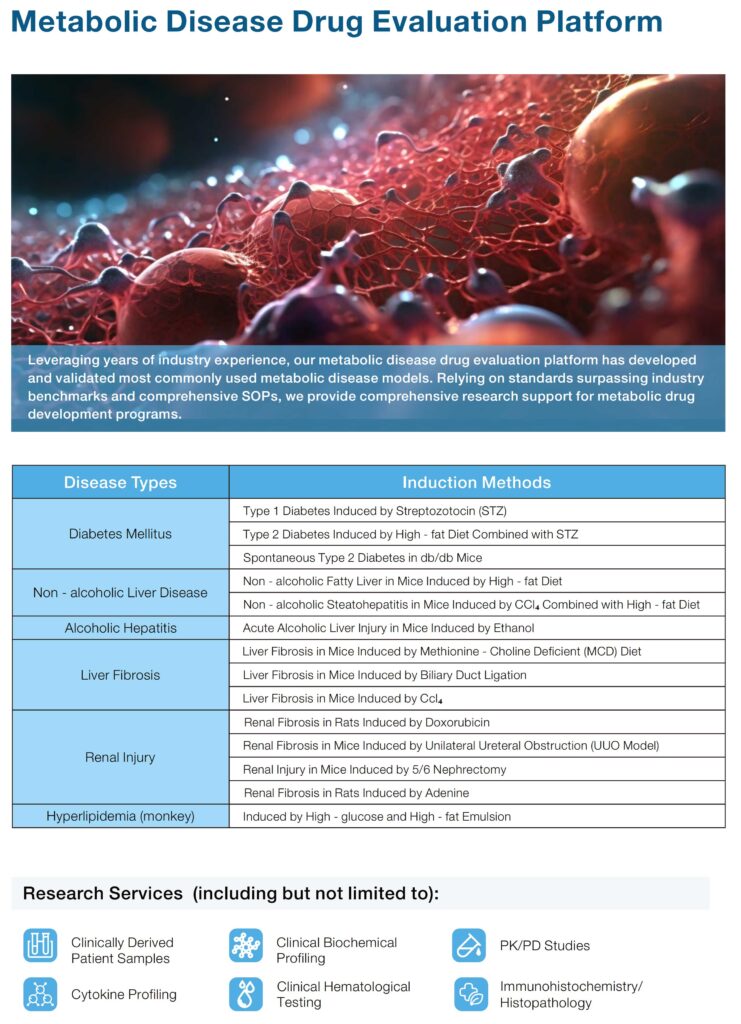
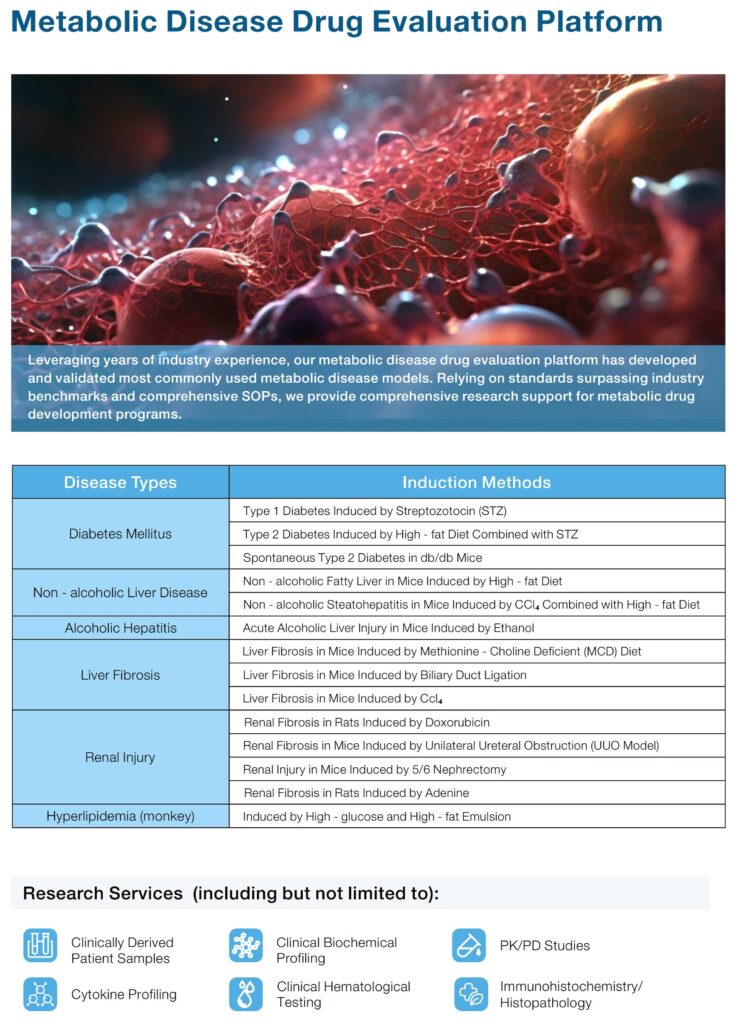
Many labs building in vivo humanized GIPR and GLP1R models face a familiar pattern: promising preclinical signals that become noisy or irreproducible when scaled. The problem-driven reality is simple — subtle variation in receptor expression, ligand behavior, or assay design skews glucose homeostasis readouts and obscures true pharmacology. This matters: obesity prevalence in the U.S. reached 42.4% in 2017–2018 (CDC), and the clinical progress of GLP‑1 therapies like semaglutide shows how small translational errors can waste time and budget. Start by anchoring experiments within validated metabolic disease models — for example, consider vetted metabolic disease models that document baseline phenotypes and assay endpoints. Use clear baselines: genotype, receptor expression, and metabolic health.
Common interpretation pitfalls
Errors tend to cluster around a few predictable sources. Batch variability in humanized mouse colonies produces baseline drift. Assay sensitivity issues — for instance, improperly timed glucose tolerance tests (GTT) — blunt pharmacodynamic signals. Cross-reactivity or altered ligand pharmacokinetics generates false positives; a compound that clears faster in the humanized line will show reduced efficacy independent of target engagement. Finally, failing to validate receptor expression or orientation (membrane vs. intracellular) leads to misleading dose–response curves and receptor occupancy estimates.
Root causes and practical fixes
Address each pitfall with targeted controls. Standardize colony management and capture metadata: age, diet, housing, and backcross generation. Run baseline metabolic phenotyping (fasting glucose, insulin, body composition) before dosing cohorts. Validate humanized GIPR and GLP1R expression with qPCR and immunohistochemistry; quantify receptor density where possible to normalize efficacy. Use PK/PD pairing: measure plasma exposure alongside functional readouts so you don’t mistake poor exposure for lack of pharmacology.
When designing assays, choose timepoints that match known in vivo pharmacodynamics and include positive controls (native GLP‑1 agonists) and negative controls (vehicle and receptor-null lines). For ligand specificity, add receptor-blocking antibodies or use CRISPR knock-ins as orthogonal confirmation — these controls expose off-target or systemic effects quickly. Think like a debugger: isolate variables, reproduce the failure, then test one fix at a time — the clarity pays off.
Design checklist for robust studies
Use this checklist to reduce interpretive noise and increase confidence in results; each item ties back to a common failure mode.
- Pre-study baseline panel: fasting glucose, insulin, body composition, and activity monitoring.
- Genotype verification and receptor expression quantification for every cohort.
- PK sampling paired with GTT or insulin tolerance tests to align exposure and effect.
- Biological and technical replicates; transparent power calculations to justify N.
- Orthogonal validation: in vitro receptor binding, ex vivo tissue assays, and histology.
Also, leverage well-characterized animal models of obesity and diabetes mellitus as benchmarks — they save time on establishing baselines and reduce interpretive ambiguity.
Alternatives and comparative notes
When humanized in vivo fails to answer a question cleanly, alternatives help. Organoid co-culture and primary islet assays give cellular resolution for receptor signaling without whole-animal variance. Larger animal models or non-human primates offer closer physiology but add cost and logistical complexity. Each alternative trades throughput for fidelity; choose by the question’s need for systemic context, receptor expression fidelity, and translational urgency.
Three golden rules for dependable interpretation
1) Align exposure and effect: always pair PK with functional endpoints so conclusions reflect pharmacology, not pharmacokinetics.
2) Validate target engagement: receptor expression and occupancy data are non-negotiable for humanized receptor studies.
3) Control biological baselines: document and standardize colony and environmental variables before any intervention.
– keep the pipeline lean: fewer, better-controlled experiments beat many uncontrolled ones. This fragment doubles as a reminder to prioritize clarity over volume.
Clearer data flows from careful design and validated models; when that logic holds, efforts naturally converge on actionable insight — and that is where Jennio Biotech fits as a practical partner in study design and vetted model selection. Jennio Biotech